
Introduction
As humanity prepares for its next giant leap—sending astronauts to Mars—scientists are facing an unexpected challenge: dental hygiene in space. While it might sound minor compared to rocket science or life-support systems, maintaining oral health during a multi-year mission is critical. The harsh space environment, limited water, and absence of gravity all complicate something as simple as brushing your teeth. So, how will astronauts brush in space—and what will dentistry look like on Mars?
Why Dental Care Matters in Space
A mission to Mars will take at least two to three years, including travel and time spent on the Martian surface. During that time, astronauts won’t have access to a dentist. A toothache, cavity, or gum infection could quickly become a serious medical emergency millions of miles from Earth.
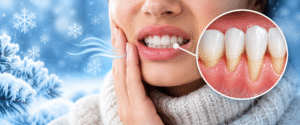
NASA’s medical experts emphasize that oral health directly affects overall health. In microgravity, fluids shift upward in the body, leading to facial puffiness and sinus pressure—conditions that can worsen dental pain. Additionally, limited nutrition and altered immunity in space can increase the risk of gum disease and tooth decay. That’s why dental hygiene is a top priority for space missions.
How Astronauts Brush Their Teeth on the ISS
On the International Space Station (ISS), astronauts already follow a special brushing routine. They use a standard toothbrush but pair it with edible toothpaste or small amounts of regular toothpaste. Since there’s no running water, they either swallow the toothpaste or spit it into a towel.
- Apply a pea-sized amount of toothpaste to a toothbrush.
- Brush normally, making sure not to let droplets of water or paste float away.
- Spit or swallow—most prefer to swallow because cleaning up floating droplets is messy in microgravity.
- Wipe the mouth and toothbrush with a damp cloth instead of rinsing.
This simple method works in low-Earth orbit, but a Mars mission will bring new challenges.
The Challenges of Brushing Teeth on Mars
While Mars has gravity, it’s only about 38% as strong as Earth’s. That means liquids will still behave differently—forming slow-moving blobs rather than flowing normally. Water conservation will also be crucial; astronauts can’t waste a single drop.
Additionally, a Mars habitat will likely recycle nearly all its air and water, so spitting toothpaste into a sink won’t be an option. Toothbrushes and toothpaste will need to be lightweight, long-lasting, and sterile, with minimal waste production.
NASA engineers and scientists are exploring innovative solutions to these problems, leading to what some call “the Mars Dentist revolution.
Innovations in Space Dentistry
To prepare for long-term space travel, researchers are developing advanced oral care technologies that could redefine dental hygiene both in space and on Earth:
- Waterless Toothpaste Tablets Instead of traditional paste, astronauts may use tooth-cleaning tablets that foam and dissolve without water. These tablets can be chewed and swallowed safely, leaving no residue behind.
- Antibacterial Toothbrushes New toothbrushes with antimicrobial bristles can reduce bacterial growth, preventing gum infections when rinsing isn’t possible.
- 3D-Printed Dental Tools NASA is also testing 3D printing for medical supplies, including dental tools. If a filling or crown breaks, astronauts could print a replacement on-site using biocompatible materials.
- Smart Dental Monitoring Future astronauts might wear oral sensors that track bacteria levels, acidity, and early signs of cavities. These sensors could send data to mission control or onboard AI systems for analysis.
- Laser Dentistry Compact laser dental devices could replace drills for treating cavities or disinfecting gums. They use minimal power and don’t require traditional anesthesia—perfect for space conditions.
What Happens If a Tooth Problem Arises on Mars?
Despite the best prevention, dental emergencies could still happen. NASA’s medical officers train astronauts in basic dental procedures, such as filling cavities, repairing broken teeth, or even performing an emergency extraction.
In a Mars habitat, a dedicated medical bay will likely include dental tools, pain relief medication, and AI-assisted guides. Using augmented reality (AR) glasses, astronauts could follow step-by-step instructions from Earth-based dentists, even with a communication delay of up to 22 minutes.
Preparing for the Future: The Mars Dentist
The idea of a “Mars Dentist” might sound futuristic, but it’s becoming a reality. NASA, ESA, and private space companies are already collaborating with dental researchers to create space-ready oral health systems. These innovations could benefit not only astronauts but also people in remote regions on Earth with limited access to dental care.
For example, portable laser tools and waterless toothpaste developed for space could make field dentistry more accessible in developing countries or during disaster relief operations.
Conclusion: Smiles Beyond Earth
As we prepare to become a multi-planetary species, every small detail matters—even how we brush our teeth. The challenges of oral hygiene in space are pushing scientists to develop smarter, cleaner, and more sustainable dental solutions.
The next generation of astronauts will rely on these innovations to keep their teeth healthy millions of miles from home. And someday, when a human colony thrives on Mars, there might be a new profession waiting to emerge: the Mars Dentist, ensuring that every explorer’s smile stays bright under the red planet’s dusty skies.
Share this :
Popular Categories
Signup our newsletter to get update information, news, insight or promotions.
Latest Post
October 22, 2026
October 13, 2026
October 7, 2026

September 30, 2026
September 29, 2026