
In the world of oral hygiene, one debate stands out: are electric toothbrushes better than manual ones? With advancements in dental technology, many people across the United States are switching to electric toothbrushes in search of a more effective clean. But is the hype justified? This article takes a closer look at the electric vs. manual toothbrush comparison, exploring the benefits, drawbacks, and scientific evidence to help you decide which option is right for you. Whether you’re concerned about plaque buildup, gum health, or simply looking for the best toothbrush for everyday use, understanding the differences can help you maintain healthier teeth and gums.
Electric toothbrushes, powered by replaceable batteries or rechargeable units, use oscillating, rotating, or sonic movements to clean the teeth. Manual toothbrushes, on the other hand, rely entirely on your brushing technique and hand movements. According to dental professionals, proper technique and consistency are among the most important factors in maintaining good oral health. The American Dental Association recommends brushing your teeth twice a day for two minutes with fluoride toothpaste. While both electric and manual toothbrushes can be effective when used correctly, research suggests that electric toothbrushes may provide additional benefits for certain users, particularly when it comes to plaque removal and maintaining healthy gums.
How Stress Triggers Teeth Grinding (Bruxism)
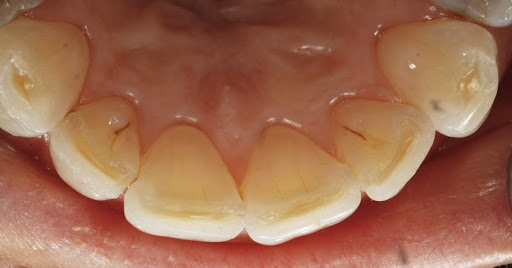
One of the most common and destructive ways stress affects teeth is through bruxism—unconscious teeth grinding or jaw clenching. Stress activates the body’s fight-or-flight response, causing jaw muscles to tighten. Many people grind their teeth at night without realizing it, or clench during stressful days.
This repeated force wears down enamel, flattens tooth surfaces, chips edges, and increases sensitivity. Over months or years, it can crack teeth, damage fillings, or lead to costly repairs.
Symptoms often include:
- Jaw pain or tightness in the morning
- Frequent headaches or earaches
- Worn, flat, or shortened teeth
- Facial muscle fatigue
According to dental associations and clinics worldwide, stress and anxiety rank among the top causes of bruxism, affecting millions. In India, rising work-related stress has made this a growing concern among young professionals.
Dry Mouth: A Hidden Stress Side Effect
When stressed, your body reduces saliva production—a condition called xerostomia (dry mouth). Saliva is your mouth’s natural defense: it neutralizes acids, washes away food debris, and fights bacteria. Less saliva means higher risk of cavities, bad breath, and gum irritation.
Chronic dry mouth from ongoing stress creates a perfect environment for plaque buildup and decay. Cracked lips, sticky feeling, and difficulty swallowing often accompany it. Many people notice this during high-anxiety periods, like exams or deadlines.
Gum Disease and Inflammation Linked to Stress
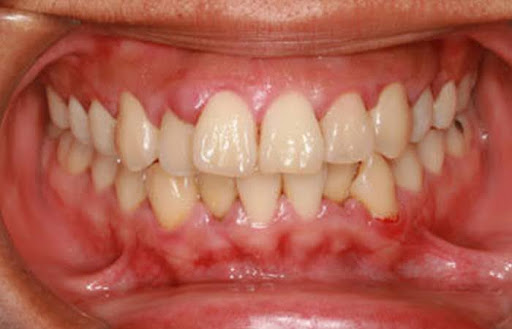
Chronic stress weakens your immune system and raises cortisol levels, making gums more vulnerable to bacterial infection. This contributes to gingivitis (red, swollen gums that bleed easily) and, if untreated, periodontitis—advanced gum disease that destroys supporting bone and can cause tooth loss.
Research shows stressed individuals have higher inflammation markers in the mouth. Poor sleep from stress compounds the issue, slowing healing and worsening recession.

Other Ways Stress Damages Oral Health
Stress indirectly harms teeth through behavioral changes:
- Skipping brushing or flossing when overwhelmed
- Craving sugary or acidic comfort foods/drinks
- Delaying dental visits
- Smoking or increased alcohol use (common stress coping mechanisms)
These habits accelerate decay and stain teeth. Stress can also trigger recurrent mouth sores (canker sores) or worsen conditions like TMJ disorders.
How to Protect Your Teeth from Stress Damage
You can break the stress-teeth damage cycle with these steps:
- Stress Management Techniques — Practice daily meditation, yoga, deep breathing, or mindfulness. Even 10 minutes reduces cortisol and jaw tension.
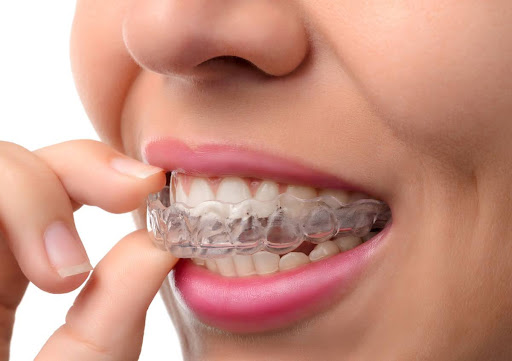
- Use a Night Guard — A custom-fitted mouthguard from your dentist cushions teeth during grinding, preventing wear.
- trict Oral Hygiene — Brush twice daily with fluoride toothpaste, floss, and use antimicrobial mouthwash—even on busy days.
- Stay Hydrated & Stimulate Saliva — Drink water often; chew sugar-free gum to boost saliva flow.
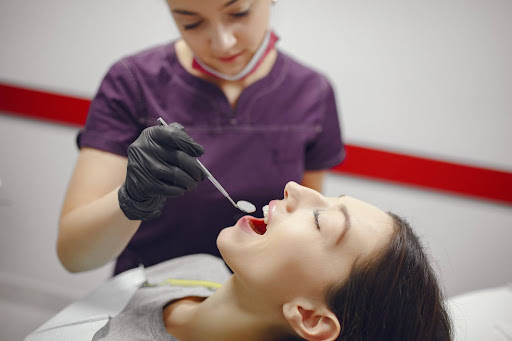
- Regular Dental Visits — See your dentist every 6 months. Mention stress symptoms—they can check for early wear, prescribe guards, or refer for TMJ help.
- Seek Professional Help — If stress feels overwhelming, talk to a counselor or doctor. Addressing root causes protects both mind and mouth.
Yes, stress can—and often does—affect your teeth through grinding, dry mouth, gum issues, and neglected care. The good news? Awareness and small habits make a big difference. Prioritize stress relief alongside brushing and flossing for a healthier smile and better overall well-being.