
What Are the Early Signs of Gum Disease? Your Complete Guide to Spotting, Preventing, and Reversing It Early
Gum disease affects millions worldwide, yet most people ignore the subtle warnings until it’s too late. According to reliable health sources, nearly half of adults over 30 show signs of gum issues. The good news? Early detection makes it completely reversible.
If you’ve noticed your gums bleeding when you brush or floss, or they look puffier than usual, you’re not alone. These are classic early signs of gum disease—also called gingivitis in its mild form. In this 1500+ word guide, we’ll break down every symptom, why it happens, how to prevent it, and what treatments work best. We’ll also include visual examples to help you spot issues fast.
By the end, you’ll know exactly when to book that dentist appointment and simple daily habits that keep your smile healthy for life.
Is Gum Inflammation Putting Your Smile at Risk? Here’s What to Know – Neighborhood Dental (Gretna Location)
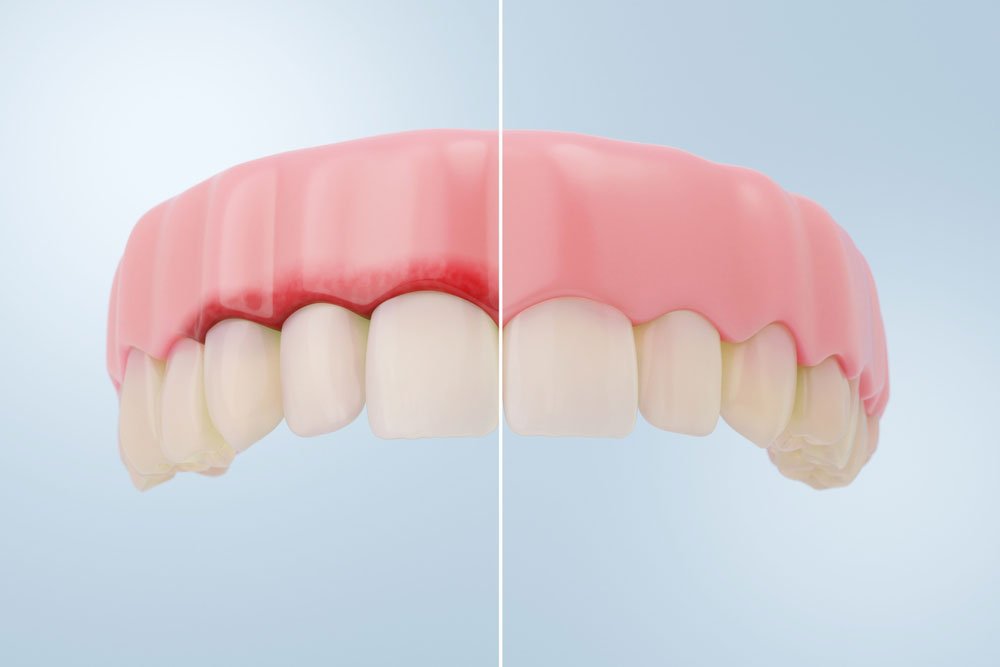
Healthy gums (left) vs. early gingivitis (right). Note the firm pink color on the left versus red, swollen inflammation on the right.
What Is Gum Disease? Understanding Gingivitis vs. Periodontitis
Gum disease is an infection of the tissues that hold your teeth in place. It starts as gingivitis—a mild, reversible inflammation caused by plaque buildup. If ignored, it progresses to periodontitis, where bacteria destroy the bone and connective tissue supporting your teeth.
Healthy gums are firm, pale pink, and fit snugly around teeth without bleeding. When plaque—a sticky film of bacteria—hardens into tartar, it irritates the gums. This triggers the early signs of gum disease.
Why it matters: Untreated gum disease doesn’t just affect your mouth. It links to heart disease, diabetes, and even pregnancy complications. Catching it early saves teeth, money, and health risks.
7 Early Signs of Gum Disease You Should Never Ignore
The early signs of gum disease often appear gradually. Many people dismiss them as “normal” from brushing too hard. Here’s what to watch for:
1. Bleeding Gums When Brushing or Flossing
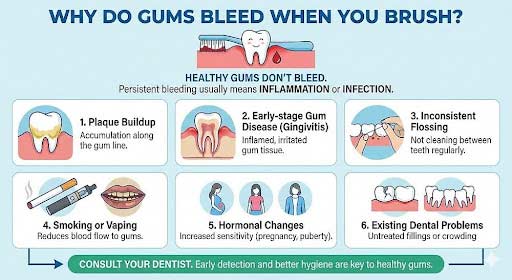
This is the most common early sign. Healthy gums shouldn't bleed—ever. Even gentle brushing or flossing causing pink spit means inflammation from plaque.
Infographic showing why gums bleed: plaque buildup and early gingivitis.
Don't stop flossing! Consistent cleaning reduces bleeding within 1-2 weeks.
2. Red, Swollen, or Puffy Gums
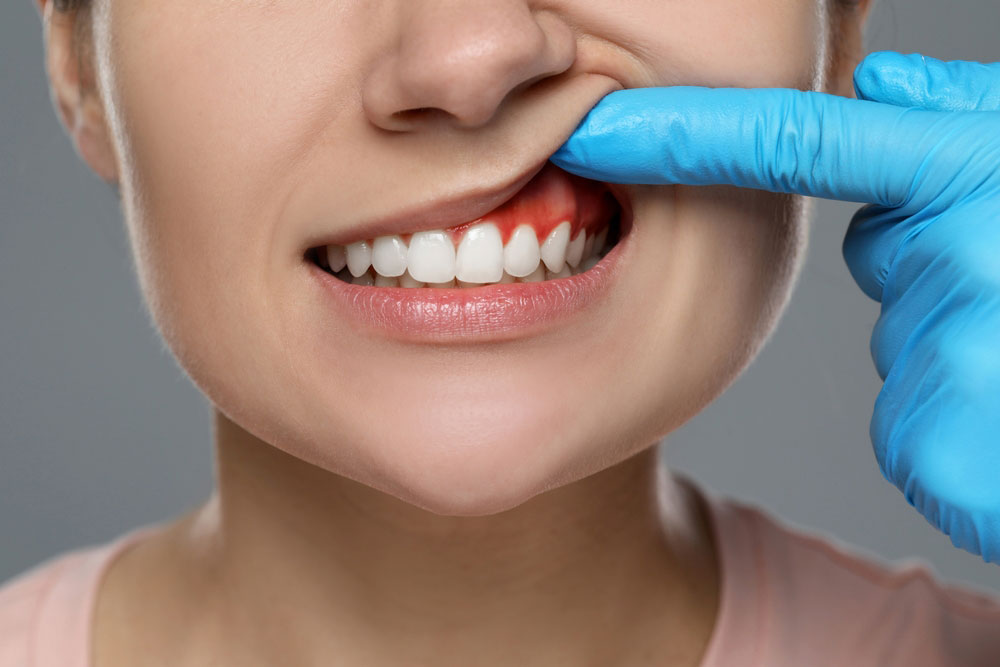
Normal gums are coral pink and tight. Early gum disease turns them bright red, dark purple, or swollen like tiny balloons. They may feel tender to the touch.
Side-by-side comparison: Firm pink healthy gums (left) versus red, inflamed early gum disease (right).
3. Persistent Bad Breath (Halitosis)
Bacteria in plaque release foul-smelling toxins. If your breath stays bad despite brushing, it could signal gum infection.
Bad Breath (Halitosis): Causes, Treatment & How to Fix It
Illustration of bad breath causes, with gum disease as a top culprit.
4. Receding Gums or "Longer" Teeth
Gums pulling away from teeth expose roots, making teeth look longer. This is a key early sign of progressing gingivitis.
Gingival recession and grafting: Gingival recession caused by orthodontic treatment and how gingiva grafting can fix them. I have pre-op and post-op pictures: The #1 Ultimate Amazing Guide.
5. Tender or Painful Gums
Gums that hurt when chewing or touching indicate irritation. Unlike cavities, this pain is usually dull and widespread.
6. Sensitivity to Hot or Cold Foods
Inflamed gums and exposed roots cause sharp zings when eating ice cream or sipping hot coffee.
7. Loose Teeth or Shifting Bite (Later Early Sign)
In advancing cases, teeth feel wiggly as supporting bone weakens. This is a red flag to act immediately.
Gum Disease Stages: What You Need To Know | Dental Blog | Balcones Family Dental
Infographic of gum disease stages: Gingivitis is reversible—don't wait until advanced periodontitis.
If you spot 2+ of these symptoms of gum disease, see a dentist within 1-2 weeks.
What Causes Gum Disease? Top Risk Factors
Plaque is public enemy #1, but other factors speed it up:
- Poor oral hygiene (skipping floss or brushing)
- Smoking or vaping (reduces blood flow to gums)
- Diabetes, hormonal changes, or medications
- Genetics or family history
- Poor diet high in suga
How to Prevent Gum Disease: Daily Habits That Work
Prevention beats treatment every time. Follow these steps for 90%+ success rate:
- Brush twice daily for 2 minutes with fluoride toothpaste.
- Floss once a day—it removes 40% more plaque than brushing alone.
- Use an antimicrobial mouthwash.
- Eat crunchy veggies and limit sugary snacks.
- Quit tobacco products.
- Visit your dentist every 6 months for cleanings.
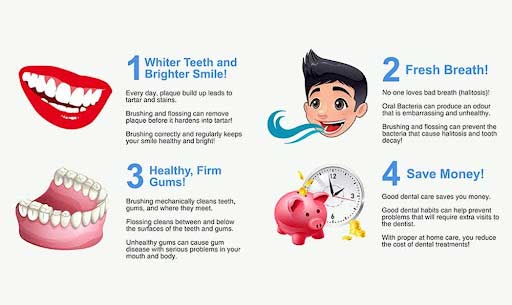
Benefits of brushing and flossing: healthier gums, fresher breath, and whiter teeth.
Proper flossing technique prevents plaque buildup between teeth.
Pro tip: Electric toothbrushes remove 21% more plaque than manual ones.
Treatment Options for Early Gum Disease
Gingivitis is 100% reversible with:
- Professional deep cleaning (scaling)
- Improved home care
- Antibacterial rinses or antibiotics if needed
Advanced cases may require surgery, but early action stops it cold.
Schedule an appointment if bleeding lasts over 7 days or you notice recession. Routine checkups catch issues invisible to you.