
Nowadays, in dentistry, everything is different in comparison to simple X-rays. Dentists are able to take a closer look at the teeth and gums and jawbone and all the tissues using Cone Beam Computed Tomography (CBCT). Thanks to its unique form of imaging, dentists can get a 3-D picture which allows more correct diagnosing of the disease and planning the treatment.
If you are planning to undergo some dental procedure such as implants or orthodontic treatment, your dentist will recommend CBCT scanning.
With this resource, Mayfield Ranch Dental Experts explains everything you need to know about CBCT imaging, including its benefits, safety, and common clinical applications.
What Is CBCT Imaging?
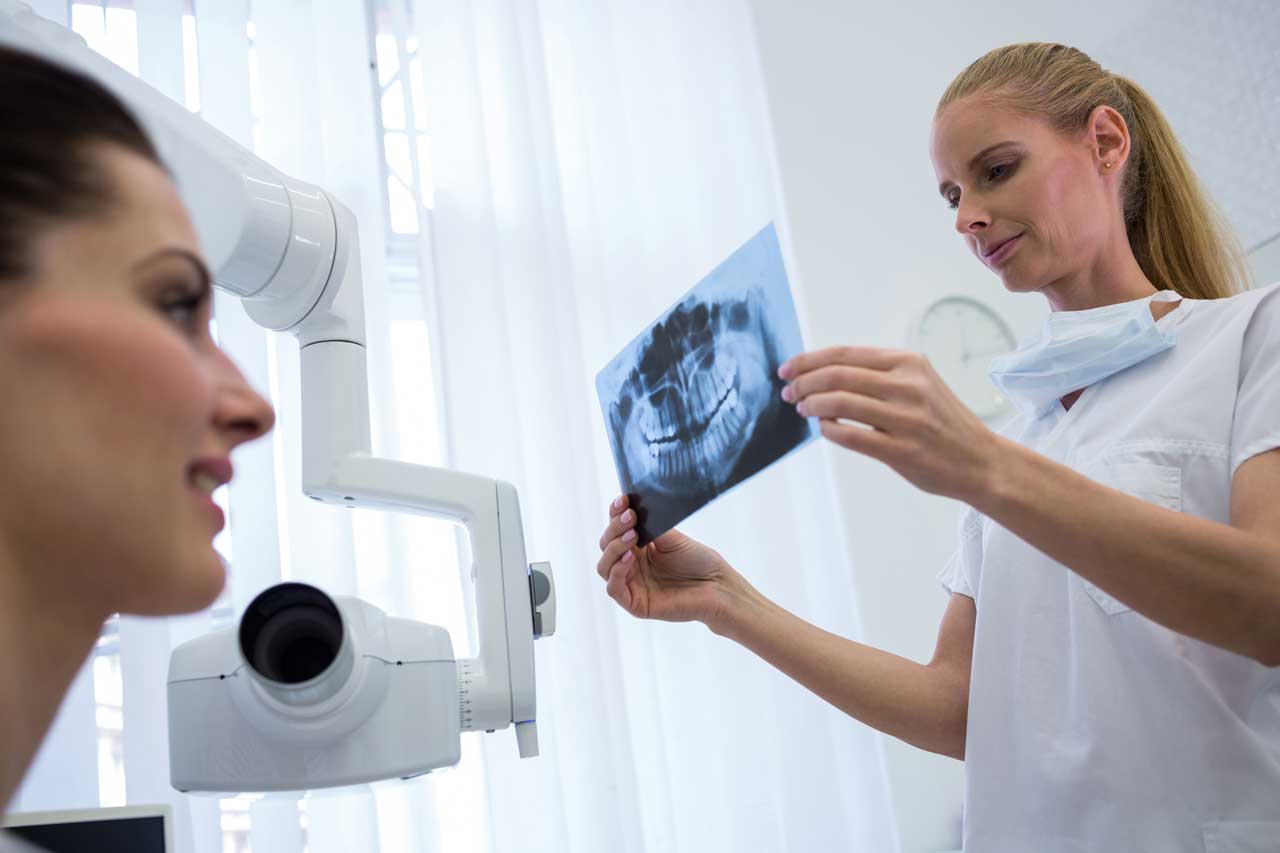
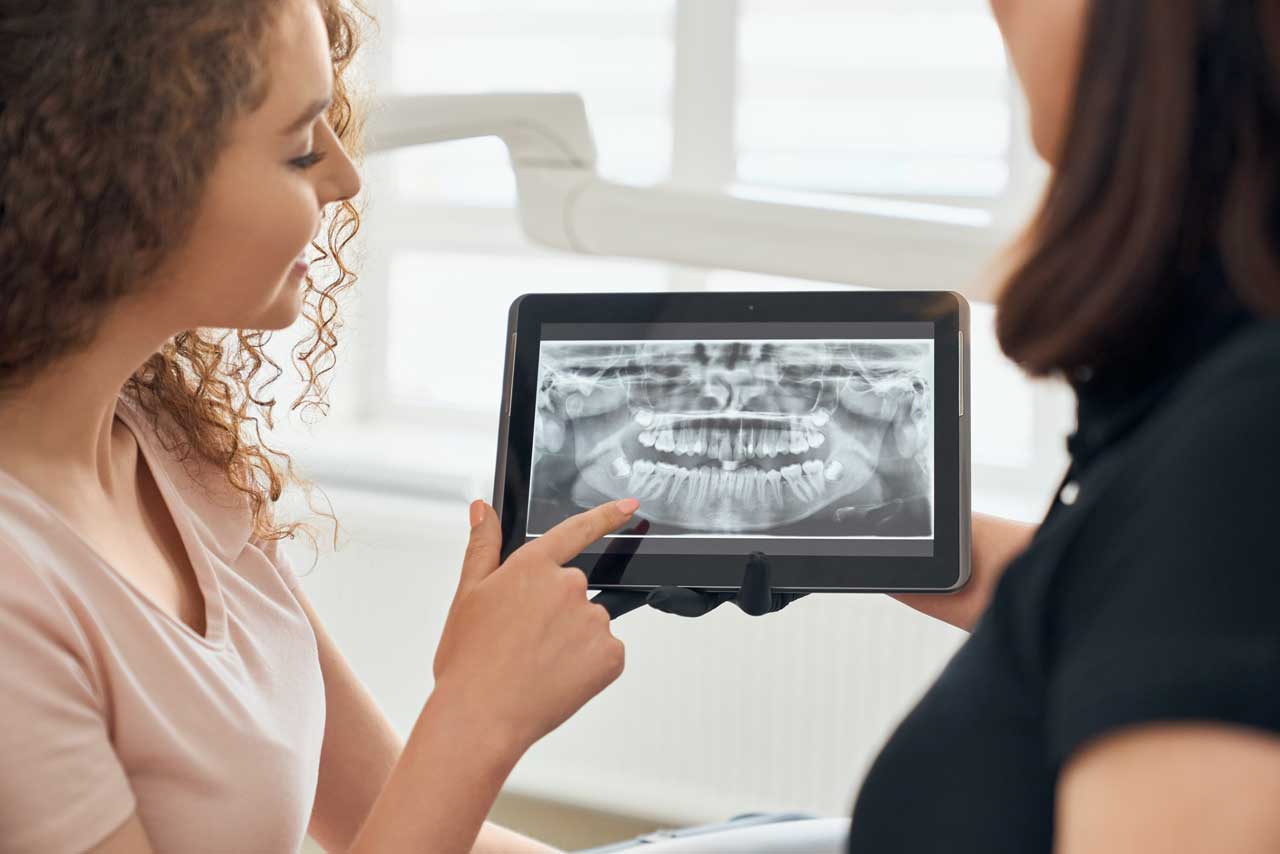
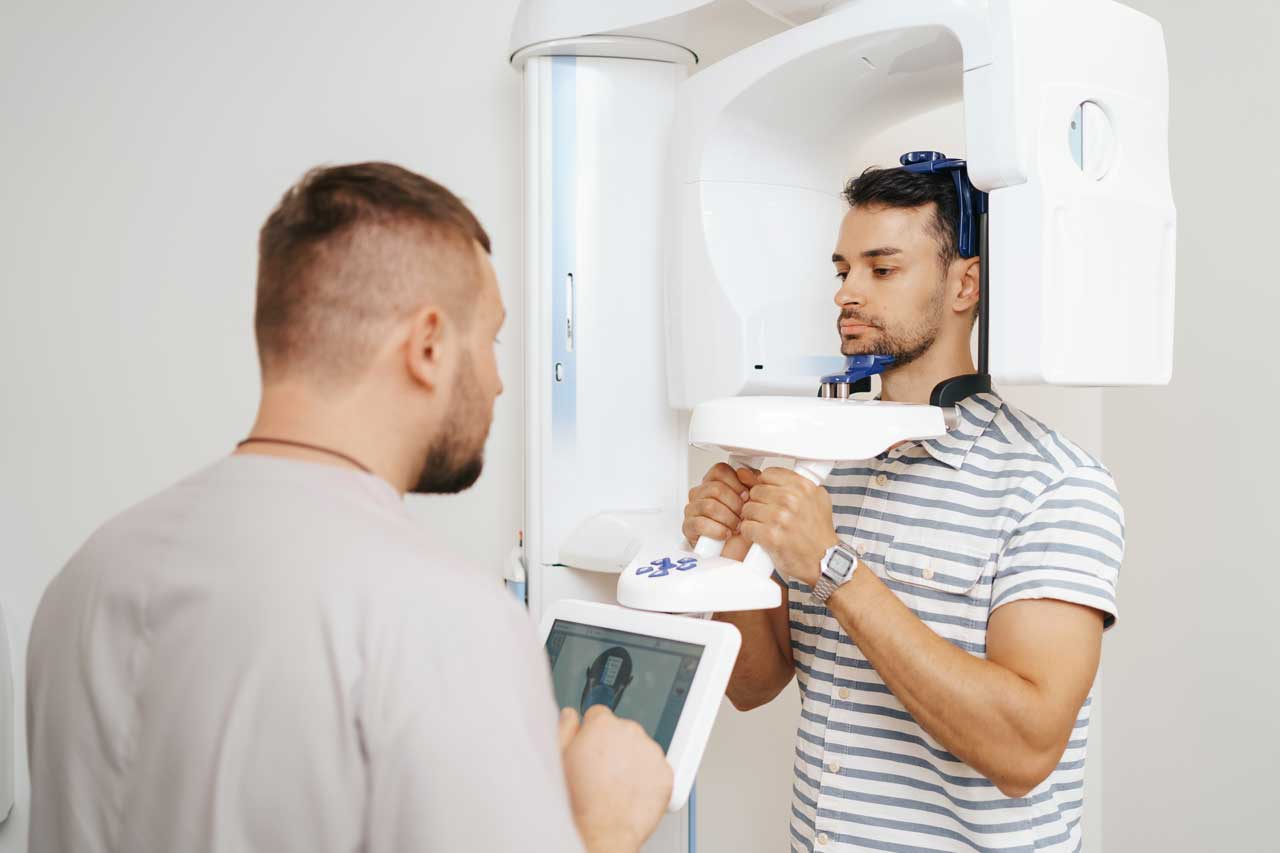
Cone Beam Computed Tomography (CBCT) is a specialized dental imaging technique that captures hundreds of images in a single rotation around the patient’s head. These images are reconstructed into a detailed 3D model of the teeth, jaws, facial bones, airways, and surrounding tissues.
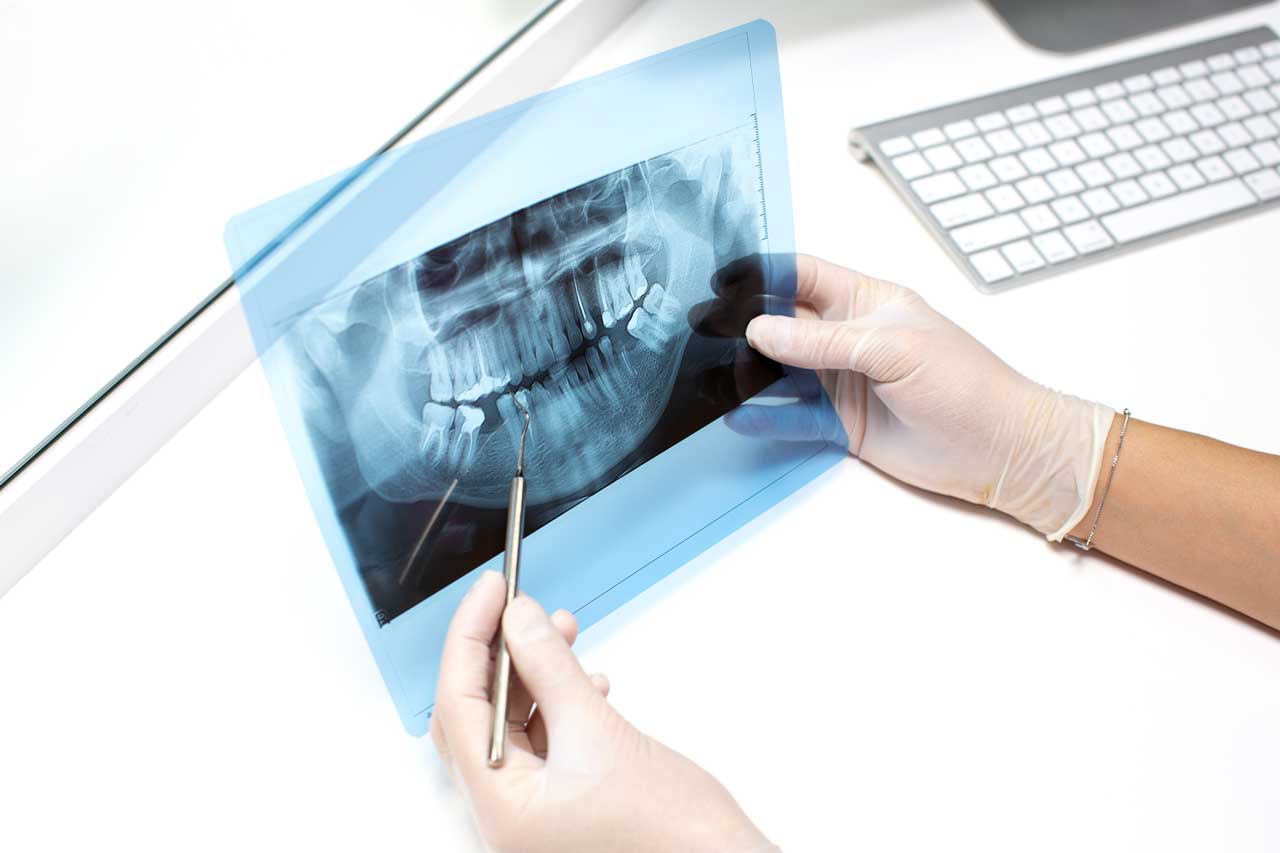
Unlike conventional 2D dental X-rays, CBCT allows dentists to visualize anatomical structures from multiple angles, making diagnosis and treatment planning significantly more accurate. The scan is quick, painless, and typically takes less than a minute to complete.
Note: According to market research, the global dental CBCT market was valued at approximately USD 700 million in 2024 and is projected to exceed USD 1.2 billion by 2032, driven by increasing demand for dental implants, digital dentistry, and precision-guided treatments.
How Does CBCT Work?
You will be asked to sit or stand during the scanning process while the CBCT machine rotates around your head and captures cone-shaped X-ray images from various positions.
The information obtained by the advanced software is then compiled into a high-quality representation in which dentists can rotate and analyze the 3D image as they desire.
This level of precision is significant because some conditions may only be detected through the superior imaging methods employed at the clinic.
Benefits of CBCT Imaging in Dentistry
1. Superior Diagnostic Accuracy
CBCT provides highly detailed three-dimensional images, allowing dentists to detect:
- Infections
- Fractures
- bone loss
- impacted teeth
- Cysts
- tumors, and
- anatomical abnormalities.
This procedure reduces the likelihood of missed diagnoses and supports more informed treatment decisions.
2. Better Treatment Planning
For procedures such as dental implants, CBCT helps measure bone height, width, and density while locating nearby nerves and sinuses.
This precise planning improves implant placement accuracy and minimizes surgical complications.
3. Minimally Invasive Procedures
Because dentists can clearly visualize internal structures before treatment, procedures often become less invasive, reducing surgical time, discomfort, and recovery periods.
4. Improved Patient Communication
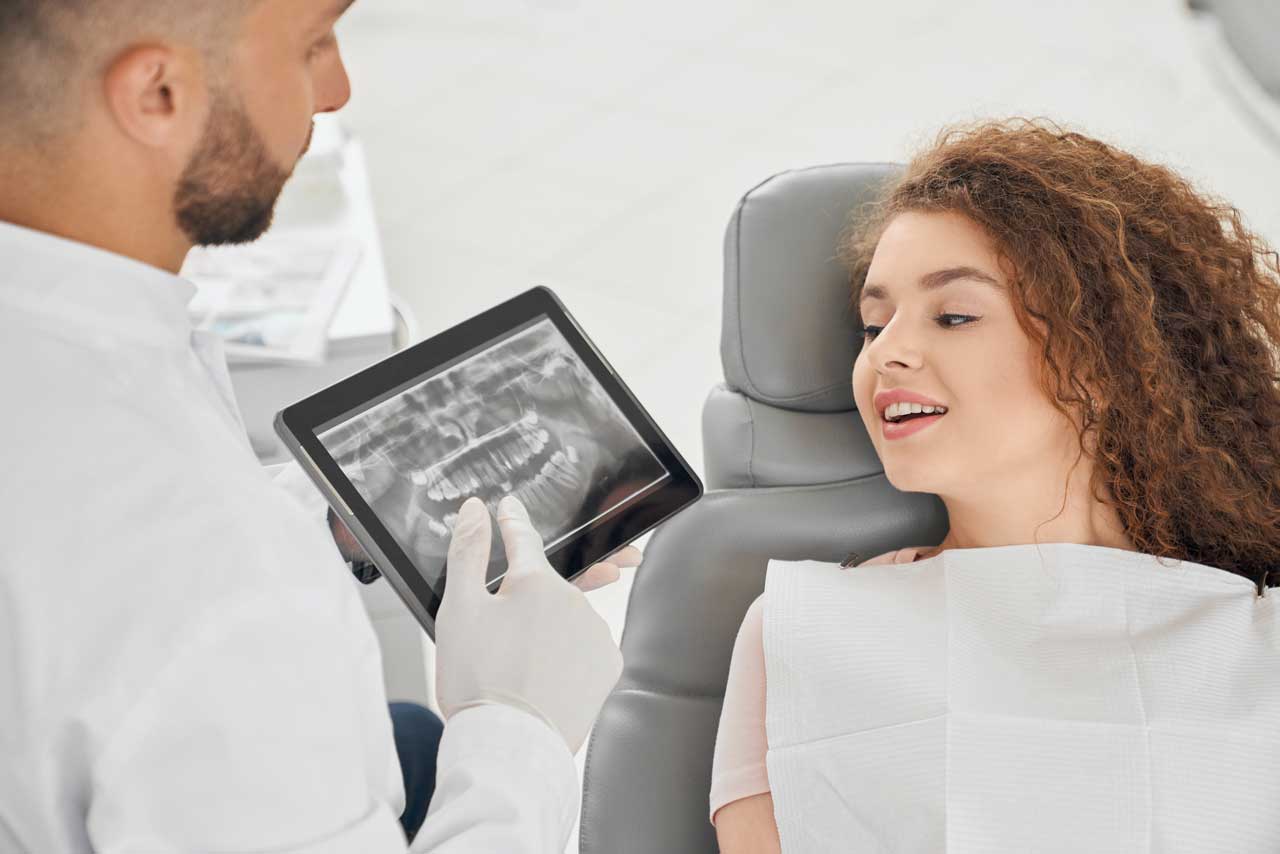
Three-dimensional images make it easier for dentists to explain diagnoses and treatment options. Patients can better understand their oral health and make informed decisions about their care.
5. Faster and More Efficient Diagnosis
Instead of relying on multiple conventional X-rays, one CBCT scan often provides all the information needed for comprehensive diagnosis and treatment planning.
Is CBCT Imaging Safe?
Yes. CBCT imaging is considered safe when used appropriately and only when clinically necessary.
Although CBCT uses ionizing radiation, the radiation dose is generally much lower than that of a conventional medical CT scan. Dentists follow the ALARA principle (As Low As Reasonably Achievable), meaning radiation exposure is minimized while still obtaining the diagnostic information needed.
Protective measures include:
- Using the smallest scan area necessary
- Limiting scans to clinically justified cases
- Providing lead aprons or thyroid collars when appropriate
- Avoiding unnecessary repeat imaging
Patients should always inform their dentist if they are pregnant or suspect pregnancy before undergoing any X-ray examination.
Common Clinical Applications of CBCT
-
1. Planning of Dental Implants
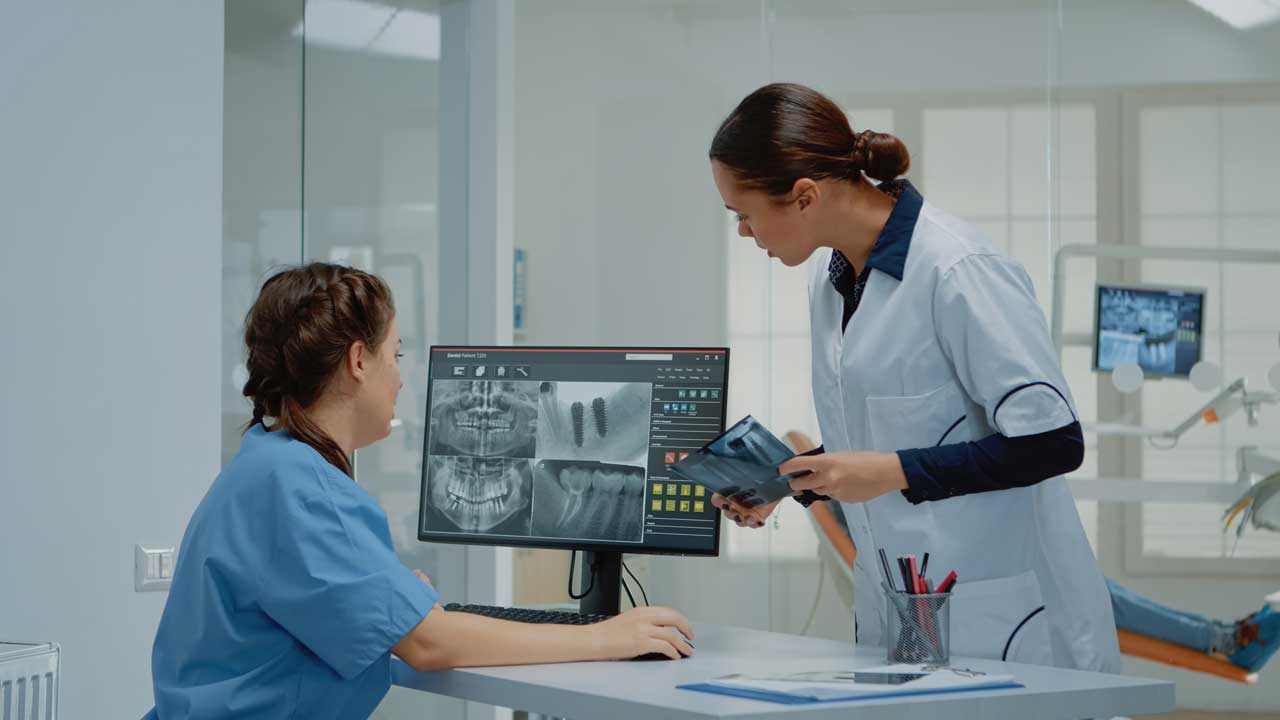
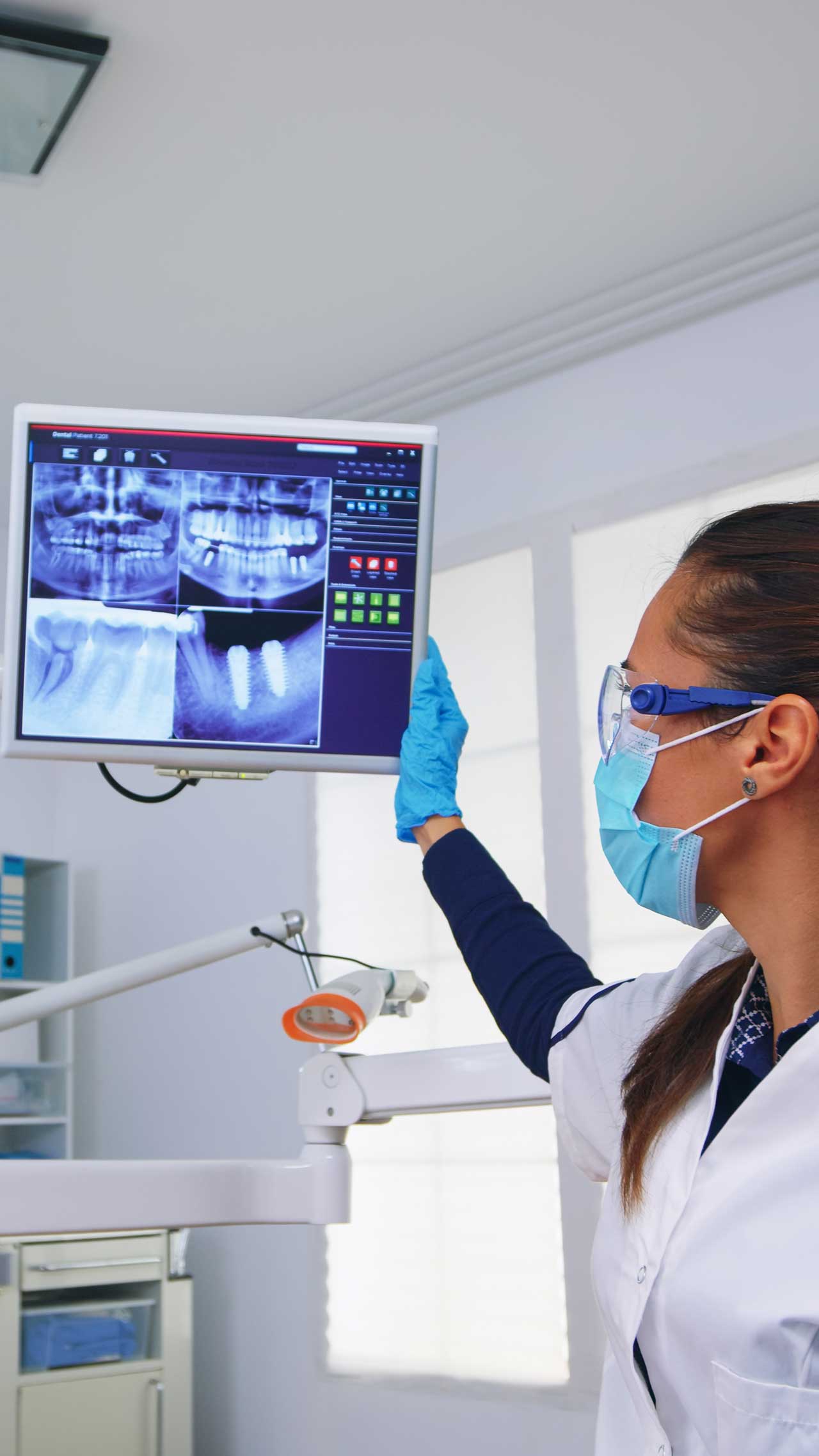
CBCT has become the gold standard for implant planning because it accurately evaluates bone volume, bone density, sinus position, and nerve location before surgery.
-
2. Orthodontics
Dentists specializing in orthodontics use CBCT to evaluate cases of tooth impaction and jaw interrelations, larynx and pharynx parameters, symmetry of the face and the development of bones before commencing orthodontic treatment with the help of CBCT.
-
3. Oral and Maxillofacial Surgery
CB enables surgeons to assess the conditions of facial bones, jaw fractures, cysts, tumors, wisdom teeth and complicated cases effectively and safely, yet reducing the risks associated with surgical procedures significantly.
-
4. Endodontics (Root Canal Treatment)
2D imaging proves inefficient in the cases of endodontics. CBCT allows determining the location of hidden canals, fractures in the root and chronic foci of infections.
-
5. Periodontal disease
Dental specialists are capable of determining bone loss due to periodontal disease, exploring the periodontal defect and monitoring the progress and development of the disease.
-
6. Disorders of the Jaw Joint
CBCT allows for a detailed scanning of the jaw joint so that specialists are able to diagnose such diseases like trauma of the joint, degenerative changes in it and various structural aberrations.
Who May Need A CBCT Scan?
- Dental implants
- Wisdom tooth extraction
- Root canal retreatment
- Orthodontic treatment
- Evaluation of jaw pain
- Facial trauma assessment
- Diagnosis of cysts or tumors
- TMJ evaluation
- Complex restorative procedures
Cone Beam Computed Tomography (CBCT) has revolutionized contemporary dental practice by making it possible to produce very accurate and detailed 3D images which support diagnostic work, treat planning, and patient management.
Whether getting a dental implant, undergoing orthodontic procedures, or undergoing oral surgery, CBCT helps the dentist provide more accurate predictions and safer surgeries with minimal invasiveness.
Even though not every patient needs to be examined by CBCT, this method has turned out to be a useful diagnostic guide for a number of complicated procedures. When your dentist advises the use of this treatment, trust him/her that this additional information will make your treatment safer and more productive.
About Mayfield Ranch Dental
Mayfield Ranch Dental is a family-owned dental clinic in Round Rock, Texas, providing comprehensive dental care for patients of all ages. Led by experienced dentists, offers preventive, cosmetic, restorative, implant, emergency, and sedation dentistry using advanced technology. With personalized treatment plans and a patient-first approach, we are committed to creating healthy and confident smiles.
How Mayfield Ranch Dental Is Unique?
At most dental clinics in Texas, a full-mouth CBCT scan generally costs between $150 to $350, depending on the complexity of the case and the practice but at Mayfield Ranch Dental, however, our experts include CBCT imaging as a complementary part of the comprehensive examination whenever clinically appropriate.
This reflects our commitment to thorough diagnosis, personalized treatment planning, and ensuring every patient receives the highest standard of care from the very first visit.
Frequently Asked Questions
Is a CBCT scan better than a regular dental X-ray?
Indeed, it is true that CBCT provides sufficient 3D imaging that is not available in two-dimensional dental X-rays.
How long does a CBCT scan take?
The majority of the time, it takes 20 to 40 seconds to complete, while the whole appointment lasts only for a few minutes.
Is CBCT imaging painful?
No, this procedure does not include any cuts, and it is a painless procedure which is performed while you are still as the machine rotates around your head.
Does CBCT expose patients to a lot of radiation?
Even though CBCT utilizes a great deal of radiation as compared to the conventional X-ray machine, it uses much less as compared with the ordinary medical CT machines if it is done according to the doctor’s prescription.
Why is CBCT important for dental implants?
The measurement of bone quality, the identification of nerves and sinuses, and the placement of an implant can occur via CBCT without difficulty.
Is CBCT imaging done at Mayfield Ranch Dental?
Yes, we offer the latest CBCT technology for obtaining high quality 3D images, enabling us to see your teeth, jaws, nerves, and everything surrounding them. We can use the information provided by this technology to diagnose and perform many treatments such as root canal treatment and placement of dental implants.
In which cases will your dentists recommend CBCT?
CBCT scan will be recommended when there is a need for comprehensive imaging to be done before orthodontic treatment, surgery on impacted teeth, and root canal treatment. Our dentists in Round Rock, TX will only recommend CBCT for situations where it can offer advanced diagnostic benefits compared to conventional X-ray imaging.