
If your dentist has recommended wisdom teeth removal, you may have questions like:
- why it is necessary
- what the procedure involves, and
- how long recovery takes
- And more.
With this beginner’s guide, our Dental Experts in Round Rock will help you understand everything you need to know about Wisdom teeth removal.
What Are Wisdom Teeth?
Wisdom teeth are also called third molars as they are the final teeth to emerge in our mouth. The emergence of wisdom teeth usually occurs when a person is between 17 and 25 years old. In some people, their jaws can accommodate the growth of the wisdom teeth, but in many cases, problems arise due to the small jaw size.
Note: As stated by the American Association of Oral and Maxillofacial Surgeons (AAOMS), every year in the USA almost 10 million wisdom teeth are extracted from nearly 5 million people, making it one of the most commonly carried out dental procedures in the country.
Why Do Wisdom Teeth Need to Be Removed?
The removal of wisdom teeth is not required by everyone. Dentists, however, usually recommend the extraction of wisdom teeth in situations where they already cause problems or may cause issues in the future. Reasons for having the wisdom teeth removed are:
- Impacted wisdom teeth that are situated underneath the gums
- Crowding of the teeth in the neighbor
- Tooth decay due to difficult cleaning
- Infections of the gums
- Pain and swelling of the jaw
- Pain and swelling of the jaw
- Damage to the adjacent teeth
- Cysts form around the impacted teeth
Signs You May Need Wisdom Teeth Removal
Many individuals don’t detect symptoms until complications arise. If you observe some of these signs or symptoms, it is advisable to arrange for a dental check-up:
- Unrelenting discomfort at the rear of your mouth.
- Inflamed or bleeding gums.
- Problems fully opening your mouth.
- Bad breath or unpleasant taste
- Frequent headaches or jaw discomfort
- Repeated infections around partially erupted teeth
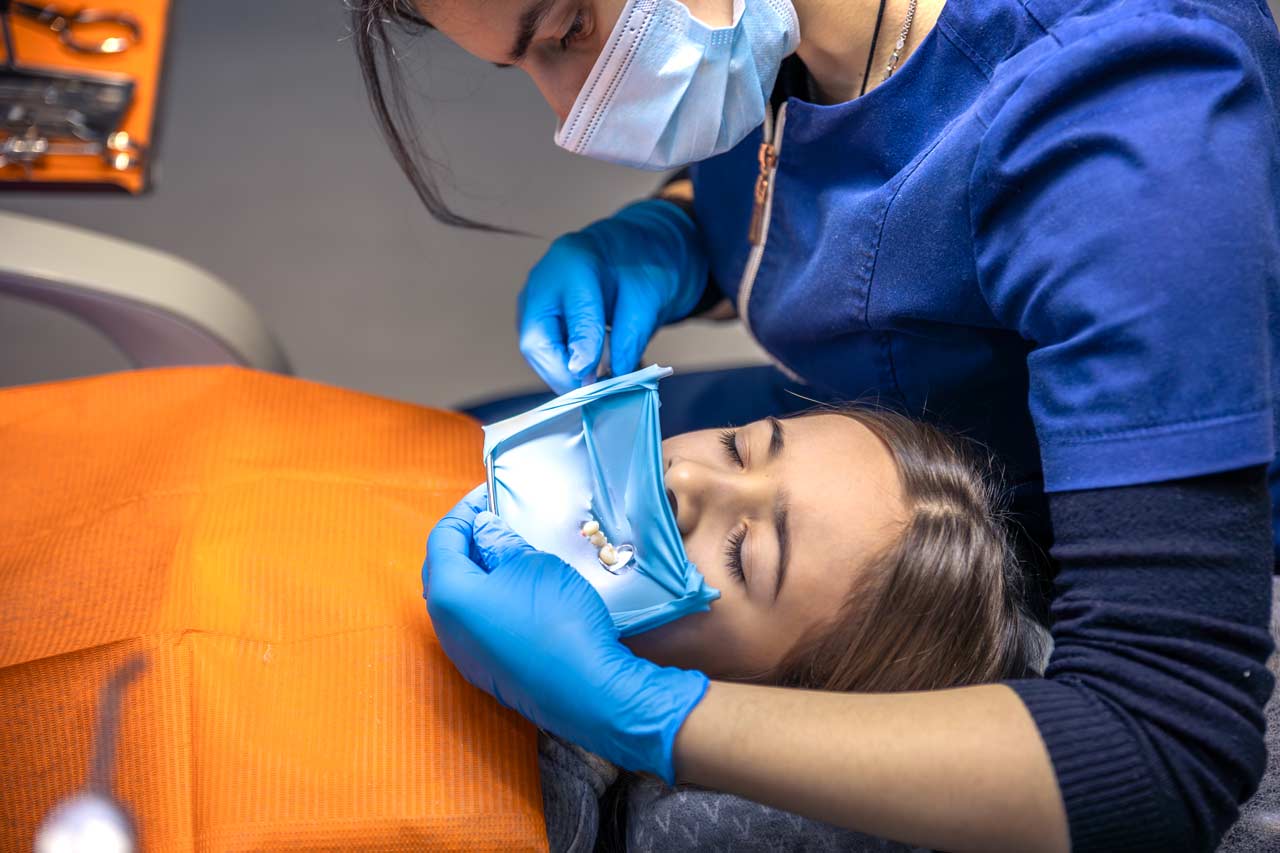
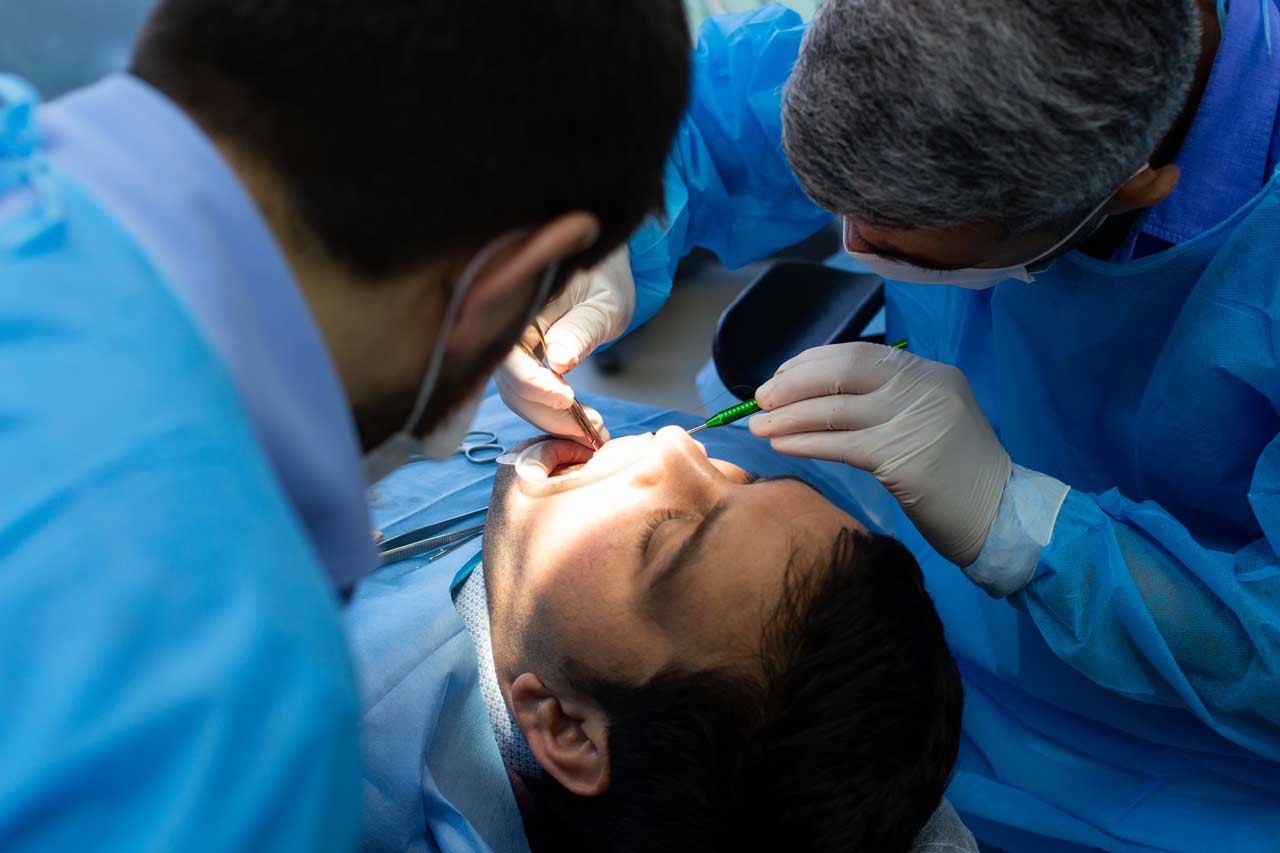
The Wisdom Teeth Removal Procedure
Before treatment begins, oral surgeon will study the oral cavity with the help of imaging technologies to have information about the location of the wisdom teeth. Usually, the removal procedure lasts 30 to 60 minutes taking into consideration the number and position of these teeth. The wisdom teeth removal procedure generally follows:
- Local anesthesia, sedation, or general anesthesia is administered.
- A small incision is made if the tooth is impacted.
- The tooth may be divided into smaller sections for easier removal.
- The tooth is carefully extracted.
- The area is cleaned and stitched if necessary.
- Gauze is placed to control bleeding.
What to Expect During Recovery
Recovery is usually straightforward when post-operative instructions are followed.
For the first 24 hours:
- Bite gently on the gauze provided.
- Apply ice packs to reduce swelling.
- Rest and avoid strenuous activities.
- Eat soft foods such as yogurt, mashed potatoes, applesauce, and smoothies.
- Drink plenty of water.
During recovery:
- Avoid smoking and alcohol.
- Do not use straws, as suction can dislodge the blood clot.
- Brush carefully while avoiding the surgical site.
- Rinse gently with warm salt water after 24 hours.
Possible Risks and Complications In Wisdom Teeth Removal
The extraction of wisdom teeth has been reported to be relatively safe particularly when done by an dental professional with a lot of experience in this field and as with any surgery, it comes with its share of risks such as infection, dry socket syndrome, temporary loss of feeling, swelling, bruises, slight bleeding, and slow recovery.
By adhering to the post-operation instructions provided by your dentist, you will decrease the chances of developing any issues.
Benefits of Early Wisdom Teeth Removal
Many dentists recommend removing problematic wisdom teeth before serious symptoms develop. Research suggests that younger adults generally experience smoother recoveries because bone is less dense and healing capacity is greater. Benefits of early wisdom teeth removal include:
- Easier surgery in younger patients
- Faster healing
- Lower risk of nerve damage
- Prevention of future infections
- Reduced chance of tooth crowding
- Protection of adjacent healthy teeth
Stats and Facts About Wisdom Teeth Removal In the United States
Wisdom teeth removal remains one of America’s most common outpatient oral surgeries. A few interesting statistics include:
- Around 5 million Americans undergo wisdom tooth removal each year.
- Most patients are between 17 and 25 years old.
- Nearly 85% of people eventually require wisdom tooth removal due to insufficient space or complications.
- Modern dental imaging allows dentists to identify impacted teeth years before symptoms appear, enabling preventive treatment.
Final Words
The process of removing wisdom teeth is commonly done, and it is very successful in preventing any tooth damage, future complications, and dental infections. Early treatment is usually enough to simplify the process.
Regular visits to the dentist, X-rays, and consultations with a qualified dentist contribute positively to the outcome. It is important to schedule an appointment with wisdom teeth removal experts in case of any discomfort in the back of the mouth.
About Mayfield Ranch Dental
Mayfield Ranch Dental is a family-owned dental clinic in Round Rock, Texas, providing comprehensive dental care for patients of all ages. Led by experienced dentists, offers preventive, cosmetic, restorative, implant, emergency, and sedation dentistry using advanced technology. With personalized treatment plans and a patient-first approach, we are committed to creating healthy and confident smiles.
Frequently Asked Questions
1. At what age should wisdom teeth be removed?
Most dentists recommend evaluation between ages 17 and 25, when wisdom teeth develop and surgical recovery is generally faster.
2. Is wisdom teeth removal painful?
No, the procedure is carried out while one is under anesthetic, therefore there is no pain at all. Some discomfort and swelling can be expected afterwards and treated with medications.
3. How long does recovery take after wisdom teeth removal?
Most people recover within three days, while complete gum healing typically takes two to six weeks after surgery.
4. Can I eat normally after wisdom teeth removal?
It is advisable to start from soft food and avoid crunchy or spicy food for some time before returning to one’s natural diet.
5. Do wisdom teeth really need to be removed?
Not always! If the wisdom teeth are healthy and have all the needed requirements to be in the mouth, there is no need to remove them unless some problems occur later.