
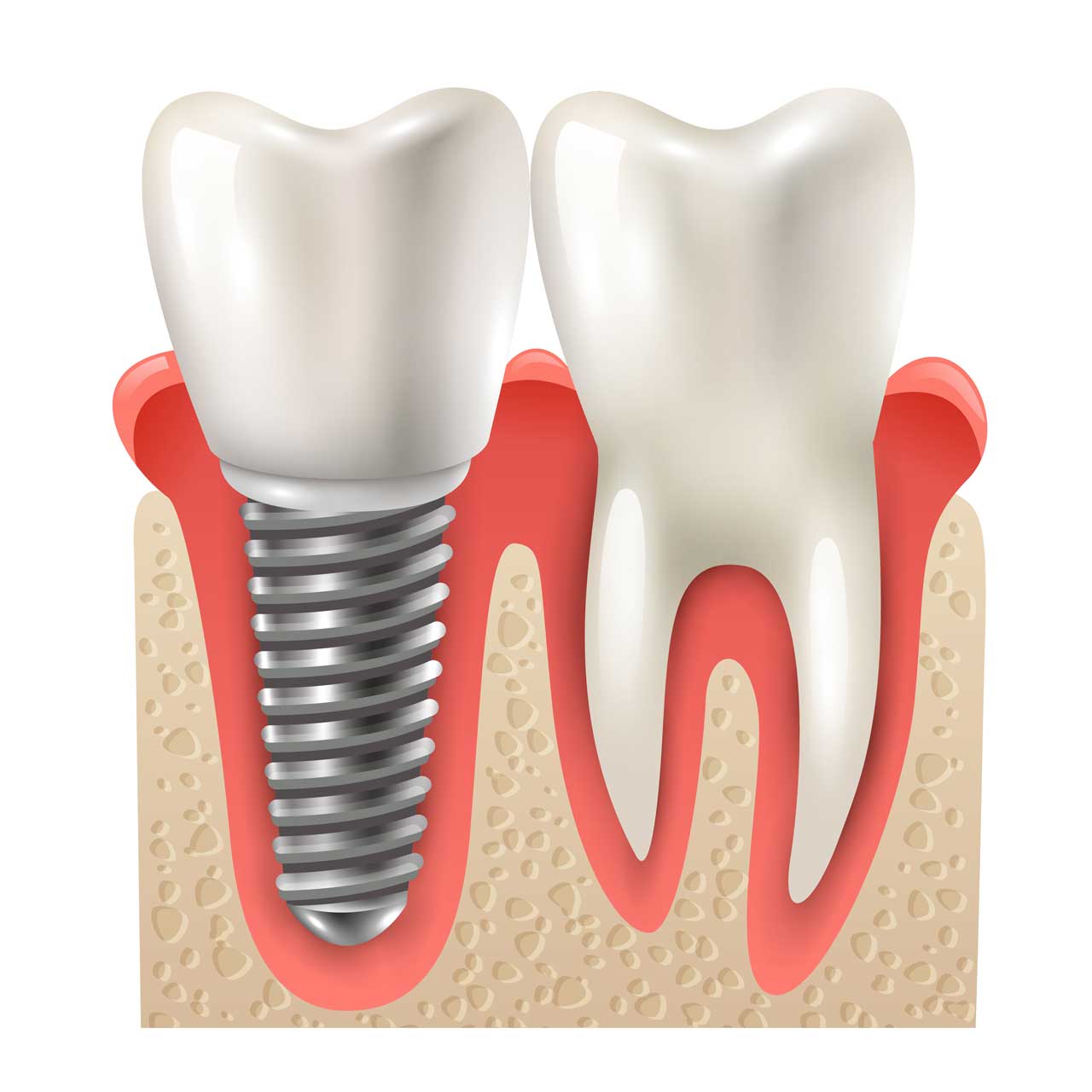
Dental implants are better than the traditional tooth replacement options i.e. dental dentures and dental bridges as they perform the job of replacing the whole tooth, including its root structure. A biocompatible material is placed into the jawbone, an abutment and an artificial dental crown made exclusively for the patient so that he can enjoy the benefits of a missing tooth.
This resource by expert dentists at Mayfield Ranch Dental helps you explain who is an ideal candidate for dental implants.
Ideal Candidate For Dental Implants
- Have one or more missing or severely damaged teeth
- Have adequate jawbone to support an implant or are suitable for bone augmentation
- Have healthy gums or are willing to complete periodontal treatment first
- Maintain good oral hygiene
- Are medically healthy enough to undergo minor oral surgery
Who May Not Be An Immediate Candidate?
Not being an immediate candidate does not necessarily mean that dental implants are permanently ruled out. Certain oral or medical conditions may need to be managed before implant placement.
Patients with active gum disease, for example;
- May need periodontal treatment before receiving an implant.
- Patients with insufficient jawbone may require bone grafting or another form of bone augmentation to create adequate support.
- Smoking and tobacco use can also interfere with healing and increase the risk of implant complications.
- Patients with certain medical conditions, medications, or a history of radiation therapy involving the jaws may require additional assessment and coordination with their medical providers.
Uncontrolled systemic conditions may also need to be stabilized before elective implant surgery. Our dental team reviews each patient’s medical and dental history to determine the safest treatment approach.
Dental Implant Evaluation Process
Step 1: At this stage, the doctor charges a comprehensive check of the teeth, gums, jawbone, etc., and provides necessary explanation of the procedure.
Step 2: Diagnostic imaging techniques can comprise standard dental X-rays or special 3D CBCT imaging in order to provide the doctor with the necessary information about bone structure and other characteristics of the dental anatomy.
Based on these findings, dentists can determine whether you are ready for implant placement or whether preliminary treatment is required. This may include periodontal therapy, tooth extraction, bone grafting, or treatment of existing dental problems.
How To Prepare For Dental Implant Treatment
Correct preparation can help make the process easier. Before undergoing surgery for a dental implant, the patients must carefully follow the instructions given by their dentist.
If the patient is a smoker or uses other tobacco products, the dentist will advise the patient to quit or cut down on smoking before and during the healing process. The dentist must be informed about all medications taken by the patient, any supplements, medications, allergies, and diseases.
In addition, depending on the circumstances, the dentist may advise the treatment of gum disease, a stricter oral hygiene regimen, the extraction of superfluous teeth, or a delay after an extraction before performing the surgery.
Carrying out the pre-operative and post-operative recommendations will guarantee the success of the procedure.
Benefits of Dental Implants
Benefits of Dental Implants include:
1. Natural appearance
Implant-supported crowns are custom designed to closely match the surrounding teeth.
2. Improved chewing
Implants provide stable support, allowing patients to eat more comfortably compared with some removable tooth replacement options.
3. Bone preservation
Because the implant replaces the tooth root, it can help reduce the bone loss that commonly occurs after tooth loss.
4. Improved speech
A securely supported replacement tooth is less likely to move during speaking.
5. Long-term solution
With proper oral hygiene, professional maintenance, and appropriate care, dental implants can provide a durable tooth replacement solution.
6. Protection of surrounding teeth
Depending on the treatment plan, an implant can replace a missing tooth without requiring the preparation of adjacent healthy teeth, as may be necessary for a conventional bridge.
How Mayfield Ranch Dental Helps You?
Dental implants require careful diagnosis, treatment planning, surgical precision, and long-term maintenance. At Mayfield Ranch Dental, our expert dentists in Round Rock can evaluate your oral health, discuss your treatment options in-detail, and determine whether dental implants are the right solution for restoring your smile and function.
Also, if you are looking for an advanced and emergency dentist in Round Rock, Texas, we offer all comprehensive dental services under one roof. Contact personalized and affordable dentists in Round Rock today!
Share this :
Frequently Asked Questions
1. How do I know if I am a good candidate for dental implants?
A dental implant evaluation is necessary to determine candidacy. Your dentist will assess your jawbone, gums, oral health, medical history, and treatment goals before recommending implants.
2. Can I get dental implants if I do not have enough bone?
Possibly. Some patients with insufficient bone may become candidates after procedures such as bone grafting or other bone-augmentation treatments. Your dentist can determine whether additional treatment is appropriate.
3. Are dental implants suitable for older adults?
In the context of dental implants, age is not a determining factor. It is the overall health condition of a patient as well as the state of bone, gums, hygiene levels and healing process that should be considered.
4. Can smokers get dental implants?
Being a smoker, means that dental implant surgery is not impossible, but it may lead to complications during the healing process.
5. How long do dental implants last?
Dental implants are designed as a long-term tooth replacement option. Their longevity depends on factors such as oral hygiene, gum health, bite forces, lifestyle habits, regular dental maintenance, and overall health.