
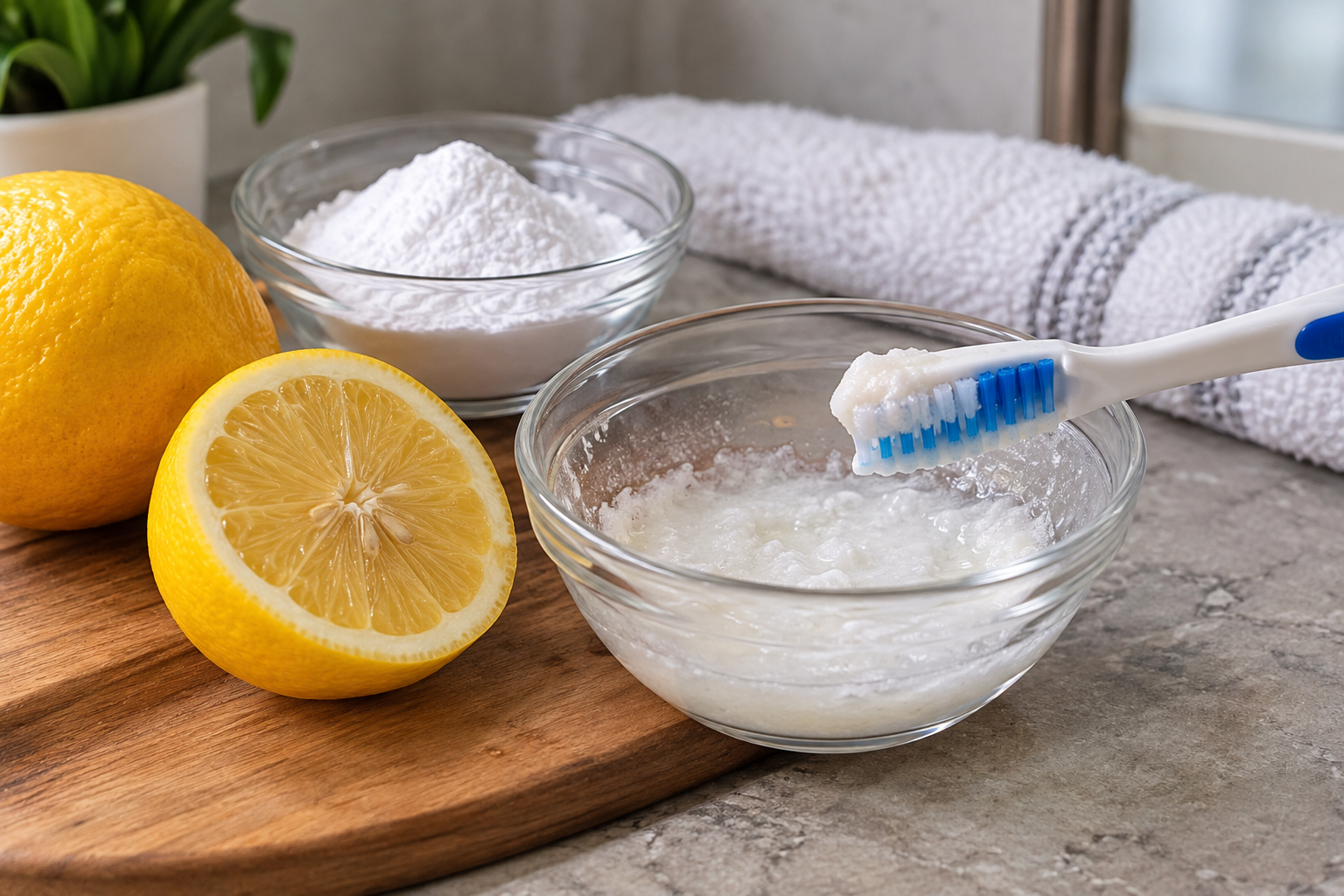
1. Whitening Teeth With Lemon Juice and Baking Soda
DIY Dental Trend:
Trends commonly suggest lemon juice and baking soda as homemade teeth-whitening agents. This idea revolves around the fact that lemon juice acts as a bleaching agent while the presence of baking soda cleans the stains off the surface.
Fact:
Lemon juice is derived from lemons, and is very acidic, weakening as well as eroding enamel. Baking soda is a scrubbing agent and thus repeated applications of it could worsen the situation. Since enamel does not grow back after it has been lost, the use of DIY methods in the long term may result in more sensitive teeth and even yellowing of teeth.
Important Note:
Avoid using lemon juice or acidic DIY mixtures to whiten your teeth. For safer whitening, consider dentist-recommended whitening products or professional teeth whitening treatments.
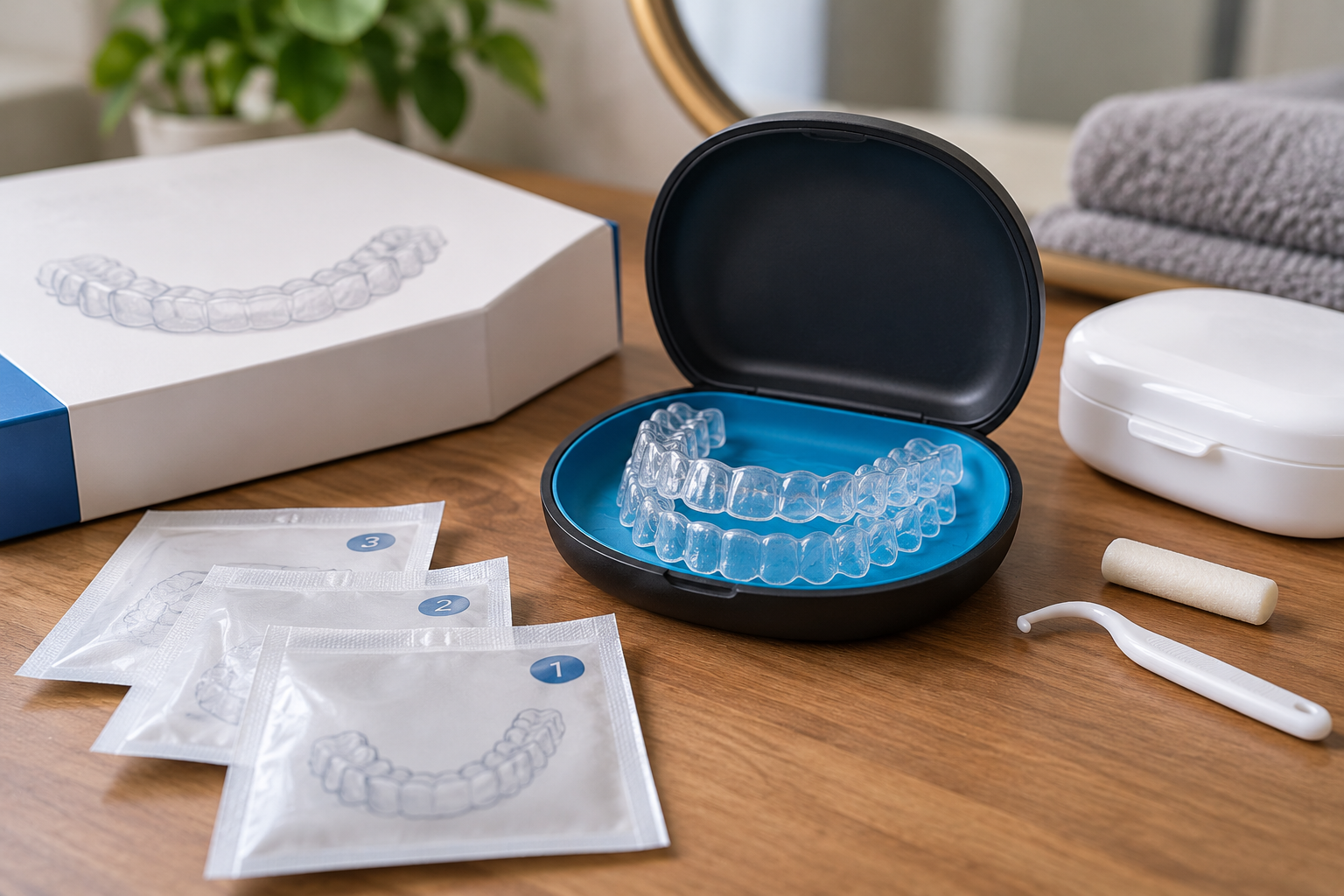
2. At-Home Teeth Straightening Kits
DIY Dental Trend:
Aligners by mail and DIY tooth straightening kits are hailed as the ideal solution to getting straight teeth without any visits to the orthodontist. Some companies claim to let clients simply take impressions or scans at home and send aligners.
Fact:
Teeth should not be moved without first checking the health of your teeth, gums, jawbone, and bite. If problems such as cavities, gum disease, bone loss, or an unsuitable bite are present, unsupervised tooth movement could worsen them. Moving teeth incorrectly or too quickly may also affect the roots and supporting bone.
Important Note:
Teeth straightening should begin with an examination by a qualified dentist or orthodontist. Professional supervision helps ensure that your teeth and supporting structures remain healthy throughout treatment.

3. Oil Pulling as a Replacement for Brushing
DIY Dental Trend:
The oil pulling phenomenon has been described as a natural method of taking care of oral health. Refers to the process of taking oils like sesame or coconut and using it as mouthwash with the contention that it is capable of cleansing the body from toxins, brightening the teeth, fighting bacteria and enhancing the gum condition.
Fact:
Essentially oil pulling is not something that might substitute brushing your teeth and flossing between them. You will not be able to get the benefits of brushing your teeth with fluoride or cleaning between the teeth as oil pulling does not serve this purpose.
Important Note:
If you enjoy oil pulling, treat it as an optional addition to your routine but not a replacement for brushing and flossing. Brush twice daily with fluoride toothpaste and clean between your teeth every day.
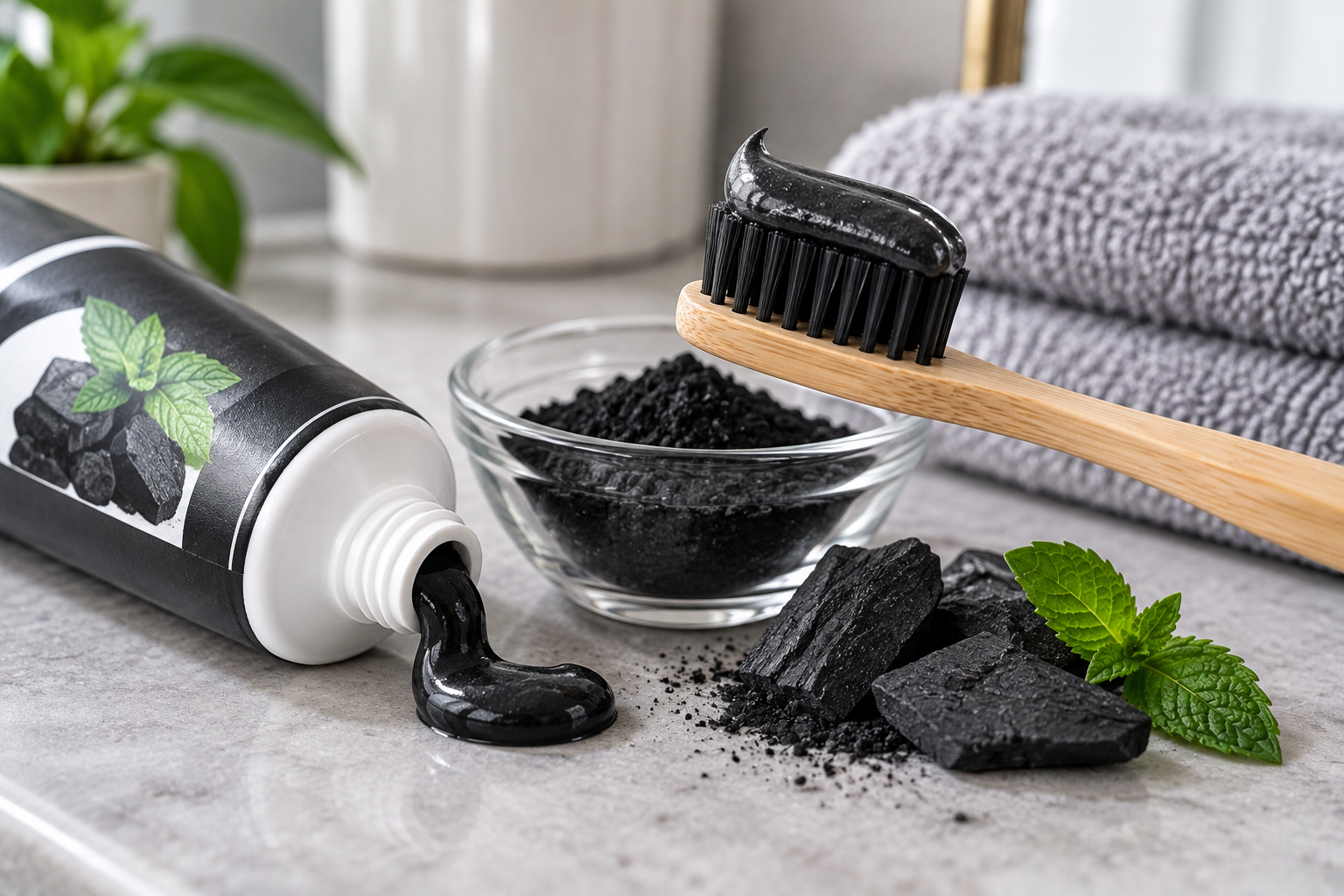
4. Charcoal Toothpaste for Whitening
DIY Dental Trend:
Charcoal toothpaste has become an instant trend in whitening toothpaste. The market is filled with its advertisement as a natural remedy for stain removal, mouth detoxification, etc. The combination of black color and gritty texture creates an impression of something highly effective.
Fact:
Charcoal toothpaste can remove surface stains through abrasion, however, it is not a replacement for real teeth whitening methods. It is important to note that too much abrasiveness can lead to damage of the tooth enamel and many brands do not provide fluoride, a vital element to protect from tooth decay.
Important Note:
Don't choose a whitening product simply because it is labeled as Natural. Look for products with fluoride and choose a whitening method recommended by your dentist, particularly if you already have sensitive teeth or enamel concerns.
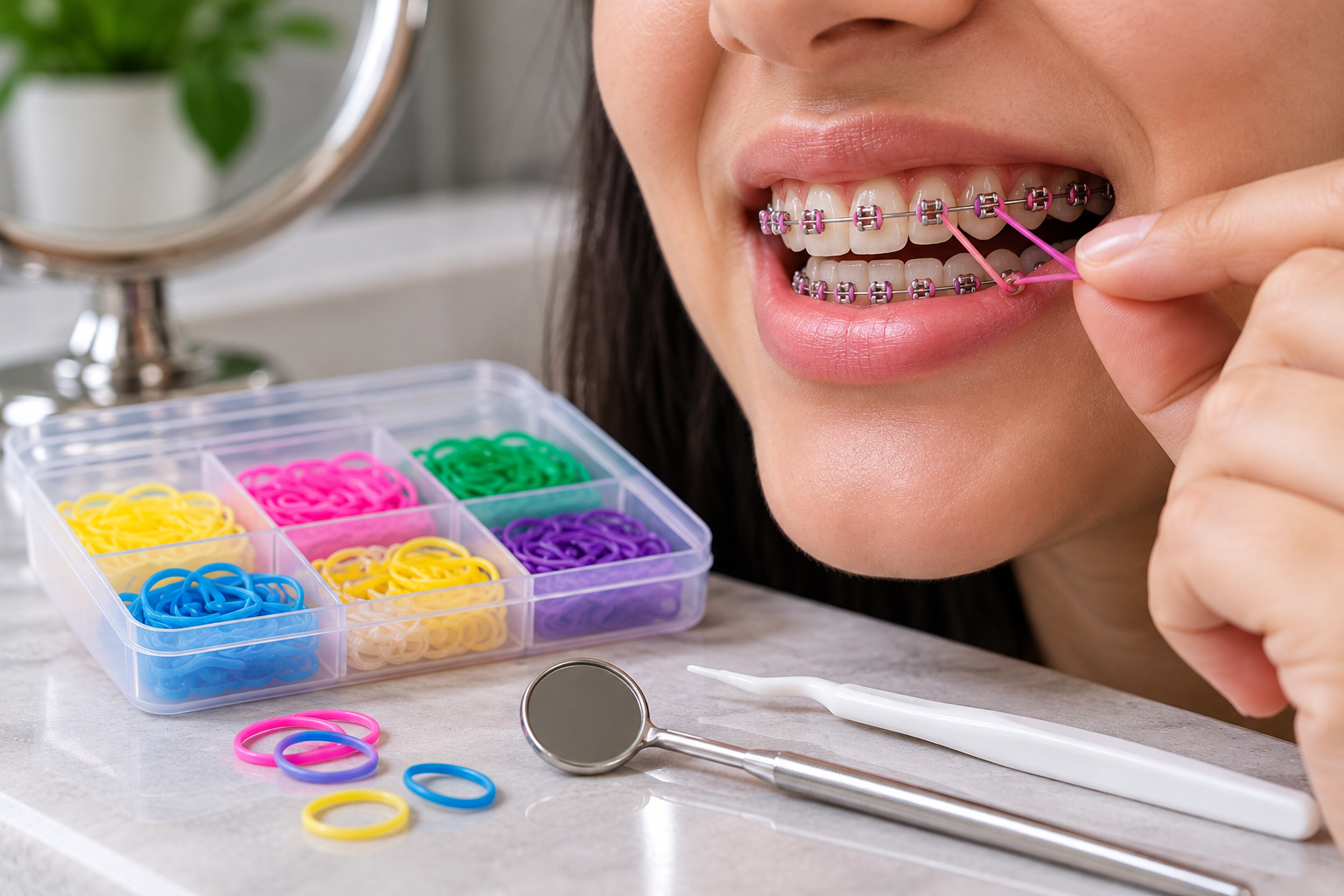
5. DIY Braces Using Rubber Bands
DIY Dental Trend:
One of the more dangerous DIY orthodontic trends involves using small rubber bands to close gaps between teeth. Videos online may make this look like a simple and inexpensive alternative to braces or clear aligners.
Fact:
Rubber bands can move beneath the gum tissue and place damaging pressure on the teeth and their supporting structures. This can interfere with blood supply, damage the gums and bone around the teeth, and potentially cause severe tooth movement or tooth loss. Unlike professional orthodontic treatment, DIY rubber bands provide no controlled or monitored movement.
Important Note:
Never use rubber bands as DIY braces. If you are concerned about gaps or crooked teeth, visit a professional dentist. Professional treatment can determine the cause of the spacing and identify an appropriate way to correct it.