
What Is Root Canal Therapy?
A root canal is a dental procedure that is carried out to get rid of the inflamed or infected pulp found in the tooth. The pulp is the inner tissue of the tooth that contains nerves, blood vessels, and connective tissues. If due to decay, repeated dental work, fractures, or injury, the bacteria reach this space, and then pulp becomes infected.
Failure to treat this infection may lead to infection of the jawbone, severe pain, formation of dental abscesses, and finally, loss of the affected tooth.
Note: According to a study by the American Association of Endodontists, preserving natural teeth through endodontic treatment generally provides better chewing efficiency and long-term oral health compared to extraction followed by replacement.
What Is Root Canal Therapy?
Your dentist may recommend root canal treatment if you experience symptoms such as:
- Persistent toothache
- Sensitivity to hot or cold that lingers
- Swollen or tender gums
- Pain while chewing or biting
- Darkening or discoloration of a tooth
- Pimples or pus on the gums
- Facial swelling caused by dental infection
How Does Root Canal Therapy Work?
Root canal treatment typically requires one or two appointments, depending on the severity of the infection. The step-by-step root canal therapy procedure involves:
Step 1: Examination and Digital X-rays
The dentist begins by examining your tooth and taking digital X-rays or CBCT scans to determine:
- The extent of the infection
- Number and shape of the root canals
- Presence of abscesses
- Bone health around the tooth
Step 2: Local Anesthesia
Contemporary local anesthesia does anesthetize the affected area before the procedure starts. Patients typically state that a root canal procedure is no more inconvenient than having a cavity filled.
Step 3: Accessing the Tooth
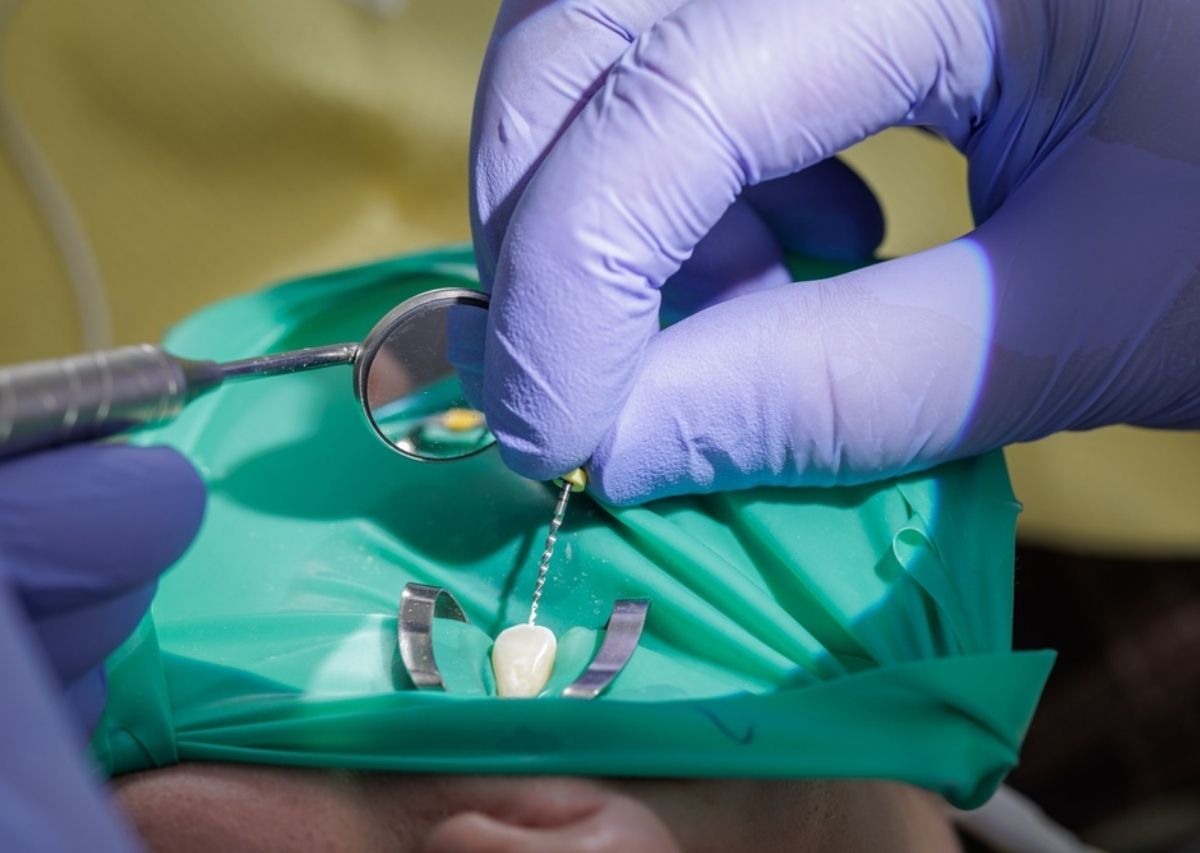
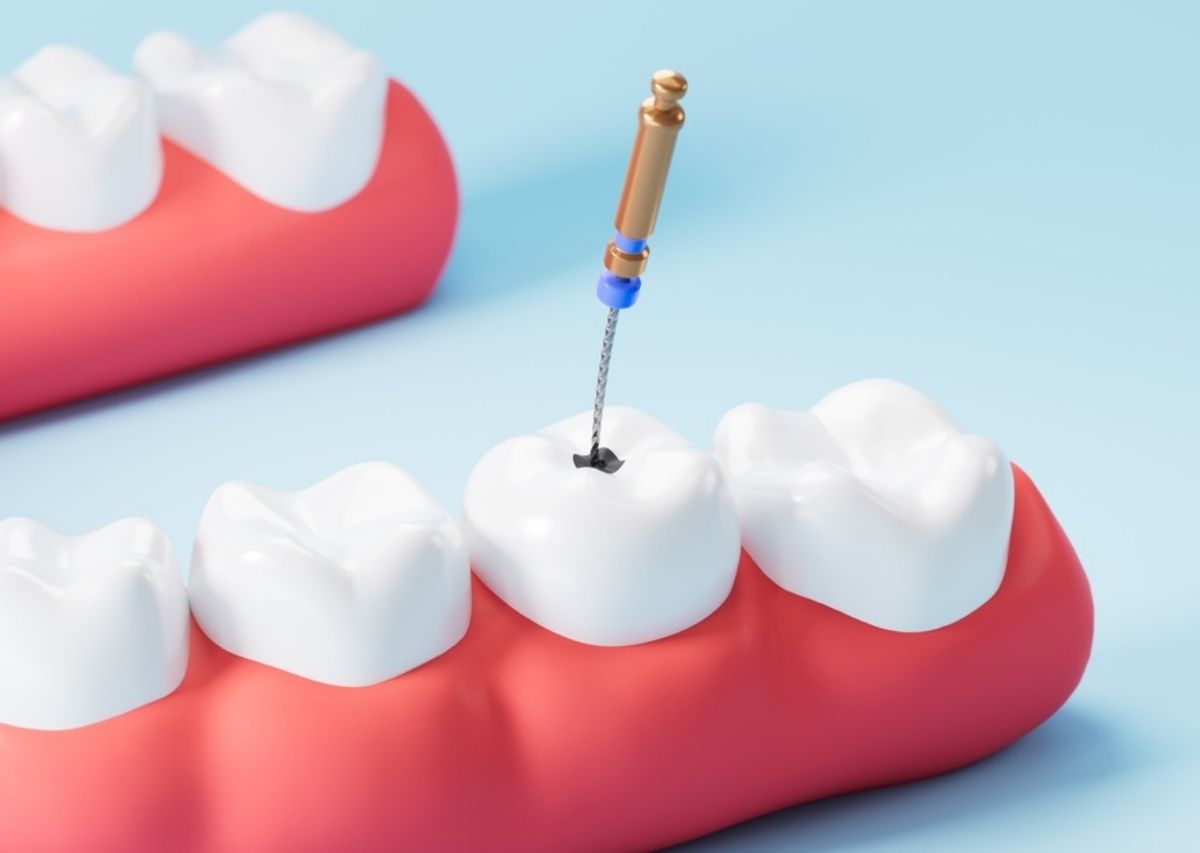
A tiny hole is drilled in the tooth crown so that the dentist could access the infected pulp chamber. Special instruments are then used to locate and reach the root canals.
Step 4: Removing the Infected Pulp
The pulp, which is either infected or dead, is extracted from the inside of the tooth. The dentist, if necessary, removes any bacteria or dead tissue from the canals too.
Step 5: Cleaning and Shaping the Root Canals
Once the pulp has been removed, the root canals are: Thoroughly disinfected Flushed with antibacterial solutions Mechanically shaped using flexible rotary instruments Cleaning is one of the most important stages because even tiny amounts of remaining bacteria may lead to reinfection.
Step 6: Filling the Root Canals
After cleaning and drying, the canals are filled with a substance known as gutta-percha, which is a kind of rubber. A dental sealer is used to block the way for the bacteria from getting inside the canals again. This way, the tooth is sealed from the inside forever.
Step 7: Restoring the Tooth
At the very end of the treatment, the gap in the tooth will be covered. In cases of back teeth or teeth that lost a lot of their structure, the dentist usually suggests using a dental crown to ensure that the tooth is strong and not prone to fractures in future.

Benefits of Root Canal Therapy
- Saves your natural tooth
- Eliminates infection and pain
- Prevents spread of bacteria
- Restores normal chewing function
- Maintains natural bite alignment
- Prevents neighboring teeth from shifting
- More cost-effective than replacing an extracted tooth
How Successful Is Root Canal Therapy?
- Root canal therapy has a very high success rate when performed properly and followed by appropriate restoration.
- Root canal-treated teeth can last a lifetime with good oral hygiene and regular dental checkups.
- Proper brushing, flossing, and routine dental visits significantly improve long-term outcomes.
Note: According to the American Association of Endodontists (AAE) & National Institute of Dental and Craniofacial Research (NIDCR), Root canal treatment has a long-term success rate exceeding 90–95% when properly restored with a permanent filling or crown.
Source:
Recovery After Root Canal Treatment
- Avoid chewing on the treated tooth until the permanent restoration is placed.
- Brush and floss normally.
- Take prescribed medications as directed.
- Attend follow-up appointments.
- Get the recommended dental crown if advised.
Frequently Asked Questions
1. How long does a root canal procedure take?
Most root canal treatments take 60 to 90 minutes. Complex cases or teeth with multiple canals may require two appointments.
2. Is root canal therapy painful?
No. Modern root canal treatment is performed under local anesthesia and is generally no more uncomfortable than getting a dental filling. Mild soreness afterward is normal and usually temporary.
3. How long does a root canal-treated tooth last?
With proper oral hygiene, regular dental checkups, and a well-fitted dental crown when recommended, a root canal-treated tooth can last for decades or even a lifetime.
4. Will I need a dental crown after a root canal?
In many cases, yes. Teeth that have undergone root canal therapy, especially molars and premolars, often require a dental crown to restore strength and prevent fractures.
5. Can a root canal be avoided?
If the infection in the tooth is discovered in its early stages, treatment such as fillings or pulp shielding can eliminate the need for a root canal. However, in cases when the pulp is irreparably damaged or infected, the root canal procedure becomes the best resolution to save the tooth.
6. Can a Root Canal Fail?
Although root canal therapy is highly successful, complications can occasionally occur due to:
- Hidden or unusually shaped canals
- New tooth fractures
- Delayed crown placement
- New decay
- Reinfection
Fortunately, many failed root canals can be successfully retreated by an endodontist.