
A beautiful smile is more than an aesthetic asset. It plays a significant role in confidence, communication, and oral function. As digital technologies continue to reshape healthcare, Digital Smile Design (DSD) has become one of the most significant advancements in cosmetic and restorative dentistry. Unlike traditional methods of smile designing based on physical impressions and an artist’s intuition, Digital Smile Design uses concepts of digital imaging, facial analysis, and treatment planning.
Digital Smile Design is a phenomenal method that provides benefits beyond improving the aesthetic appearance of smiles. It improves diagnosis, treatment planning, interdisciplinary communication, and all the possible variants of clinical results. A patient may need either porcelain veneers, dental implants or total restoration; however, thanks to DSD technology the dentists can elaborate a plan that incorporates all three areas of dental practice: aesthetics, functional aspect, and oral health.
Note Point: According to the American Academy of Cosmetic Dentistry (AACD), approximately 99.7% of adults believe a smile is an important social asset, highlighting the value patients place on smile aesthetics.
What Is Digital Smile Design?
Digital Smile Design is a digitally driven treatment planning protocol that combines high-resolution facial photography, videography, intraoral scans, digital impressions, and specialized software to evaluate the relationship between a patient’s facial features, lips, gums, teeth, and bite.
Unlike other approaches, DSD is based on the principles of Facially Driven Treatment Planning (FDTP). FDTP means that smile design is carried out in accordance with the facial proportions of a patient, movement of lips, and overall face symmetry. As a result, the new smile is going to be personalized, functional, and natural-looking.
Evolution From Conventional Smile Design to Digital Smile Design
Traditional smile design depended on stone models, manual wax-ups, and the dentist’s visual assessment. Although effective, this approach often made it difficult for patients to visualize the final outcome before treatment. Modern digital smile design integrates technologies such as:
- Digital photography
- HD facial videography
- Intraoral scanners
- CAD/CAM systems
- CBCT imaging
- 3D smile simulation
- Digital wax-ups
These technologies provide measurable data instead of subjective estimations, allowing dentists to plan treatments with significantly greater accuracy.

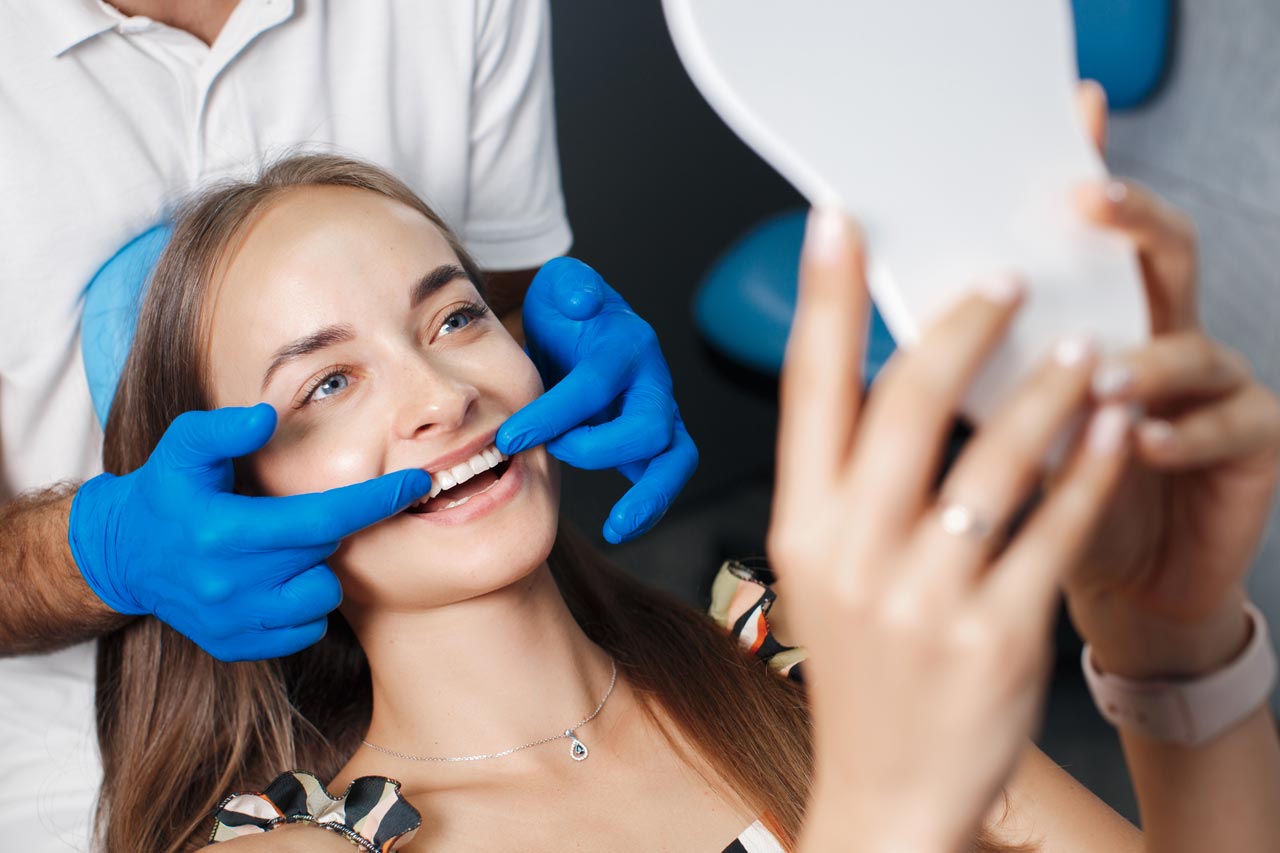
Core Technologies Behind Digital Smile Design
- High-Resolution Facial Photography
- Digital Intraoral Scanners
- Cone Beam Computed Tomography (CBCT)
- CAD/CAM Technology
- Digital Wax-Up and Mock-Up
Note Point: The global digital dentistry market is projected to exceed USD 16 billion by 2030, driven by increased adoption of CAD/CAM systems, intraoral scanners, AI-powered treatment planning, and digital smile design technologies.
The Role of Digital Smile Design In Clinical Dentistry
1. Personalized Treatment Planning
Each person’s face is different. This step helps dentists to create custom smile treatment plans rather than to use standard tooth forms. Digital Smile Design analyzes:
- Facial midline
- Smile arc
- Lip support
- Tooth proportions
- Gingival contour
- Incisal edge position
- Occlusion
2. Enhanced Patient Communication
One of the main problems in cosmetic dentistry is how to manage expectations of patients. Digital presentations allow people to see their future smile before starting the treatment, this improves:
- Patient understanding
- Treatment acceptance
- Shared decision-making
- Confidence in proposed procedures
3. Improved Diagnostic Accuracy
The process of design with the help of digital technologies begins at the diagnostic stage. Due to the use of facial photos, digital scans, X-ray images, and CBCT data, dentists detect problems that a patient wouldn’t expect to have, including:
- Occlusal discrepancies
- Asymmetrical gingival margins
- Tooth wear
- Midline deviations
- Functional bite problems
Early identification reduces treatment complications and improves long-term outcomes.
4. Better Interdisciplinary Collaboration
Digital files of the treatment are shared among experts so that every medical professional follows the plan of treatment, including:
- Cosmetic dentists
- Prosthodontists
- Orthodontists
- Periodontists
- Oral surgeons
- Implantologists
- Dental laboratory technicians
5. Greater Treatment Predictability
Predictable planning means no unpleasant surprises and better efficiency of the work.. Since restorations are digitally planned before tooth preparation begins, dentists can achieve:
- Improved restoration accuracy
- Better aesthetic symmetry
- Reduced chairside adjustments
- More efficient laboratory communication
- Fewer remakes
Clinical Applications of Digital Smile Design
Digital Smile Design supports numerous dental procedures, including:
Application #1 - Dental Implants
By utilizing CBCT imaging and intraoral scans, dental implant positioning can be maximized for functionality and aesthetics simultaneously.
Application #2 - Porcelain Veneers
Digital Smile Design makes it easy to get the right size and color of the veneer, so that it meets the aesthetic expectations.
Application #3 - Full-Mouth Rehabilitation
Patients in need of several restorations are benefiting from an integrated digital plan that facilitates smooth transitions through all stages.
Application #4 - Orthodontic Treatment
The ability to see a virtual smile prior to the start of orthodontic treatment is a great help for orthodontists in planning the work to be done.
Limitations of Digital Smile Design
Digital Smile Design may be highly efficient, yet it is also limited in some ways. However, most of the disadvantages of this technique are compensated for by better precision in treatment and higher degree of patient satisfaction. Possible restrictions are as follows:
- Need for a digital tools purchase
- Necessity to learn how to use digital technology
- Dependence on quality of pictures and data collection
- Extra time for planning when cases are complicated
Note Point: Clinical studies show that digital smile simulations improve patient understanding and treatment acceptance because patients can visualize expected outcomes before procedures begin.
About Mayfield Ranch Dental
Mayfield Ranch Dental is your trusted provider of advanced and emergency dental care in Round Rock, Texas. From routine checkups for the entire family to specialized treatments like dental implants, teeth whitening, advanced cosmetic dentistry, smile design, Invisalign, and oral surgery, we offer comprehensive dental care under one roof.
With experienced dentists in Round Rock, flexible scheduling, and personalized care, Mayfield Ranch Dental is your trusted choice for all your dental needs. Contact us today!
Share this :
Frequently Asked Questions
1. What is the primary purpose of Digital Smile Design?
The technique of Digital Smile Design enables a dentist to create tailor-made cosmetic and restorative treatment plans by applying the analysis of the human face, digital pictures and different simulations, thus resulting in the successful, functional and beautiful smile outcomes.
2. Is Digital Smile Design only used for cosmetic procedures?
Yes, it is actively applied in implant dentistry, orthodontics, prosthodontics, full mouth rehabilitation, periodontal treatment planning, and restorative dentistry so as to improve both functionality and aesthetics of the smile.
3. How does Digital Smile Design improve treatment accuracy?
It combines intraoral scans, facial photographs, CBCT imaging, and CAD/CAM technology to create precise digital treatment plans, reducing errors, improving restoration fit, and enhancing clinical outcomes.
4. Can patients preview their smile before treatment begins?
Yes. Digital Smile Design software generates realistic smile simulations and digital mock-ups, allowing patients to review, discuss, and approve the proposed treatment before procedures begin.