
A bright smile can make a strong first impression, but tooth stains are extremely common. Over time, teeth can become yellow, brown, gray, or noticeably darker due to many daily activities. Generally, every stain can be removed with regular brushing or over-the-counter whitening products, but a few require professional dentist consultation and treatments. The type, location, and underlying cause of discoloration determine which treatment may be appropriate.
This resource by our expert dentist in Round Rock helps understanding what causes tooth staining, how we can help you choose the right dental treatment to prevent and treat them.
Causes Of Tooth Staining
Tooth stains generally fall into two categories: extrinsic stains and intrinsic stains. Extrinsic stains develop on the outer surface of the teeth, while intrinsic discoloration occurs within the tooth structure.
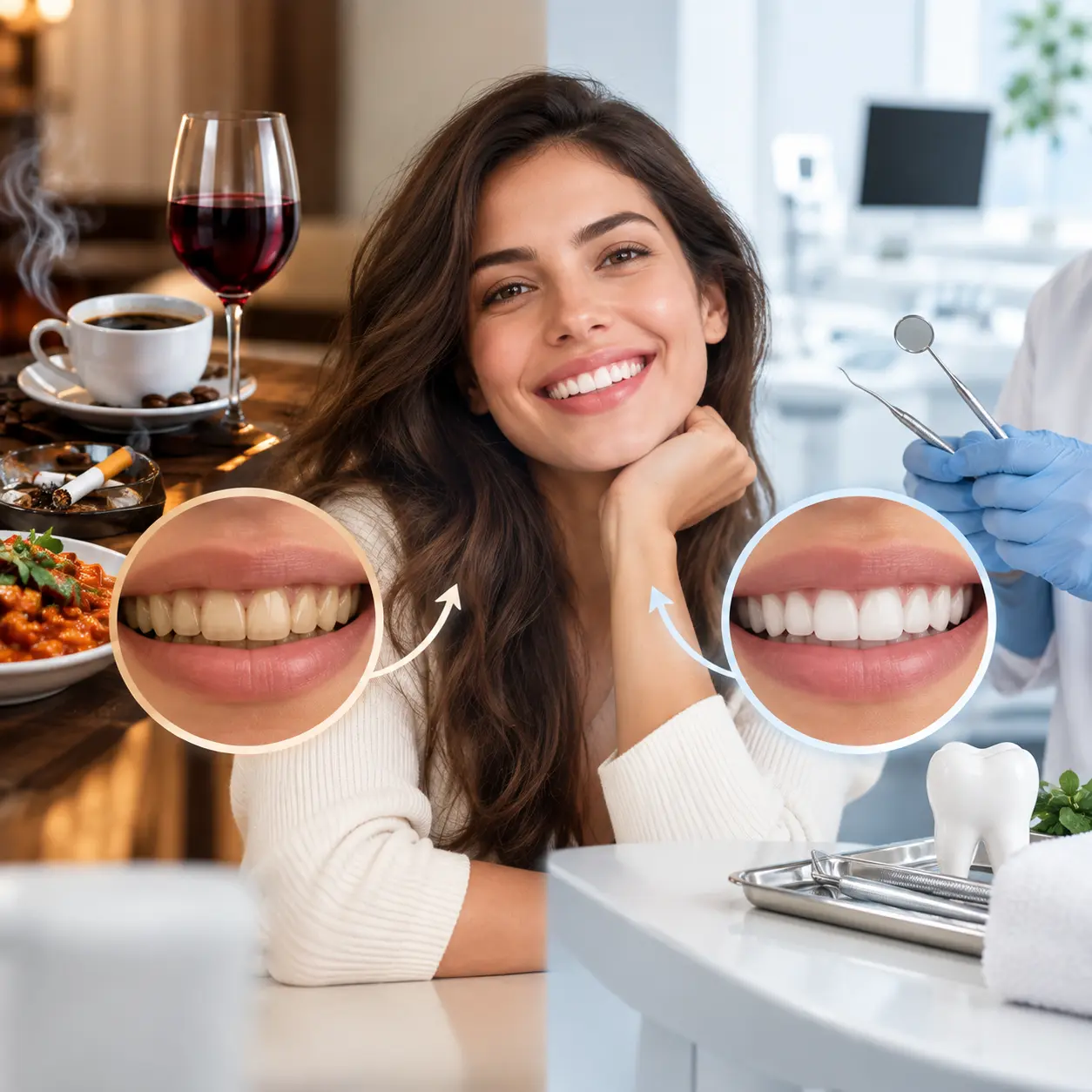
1. Coffee, Tea, And Drinks
Coffee and tea are among the most common causes of surface tooth stains. They contain compounds called tannins that can contribute to discoloration by allowing pigment molecules to adhere to the tooth surface.
Other beverages that may contribute to staining include:
- Red wine
- Cola and other dark soft drinks
- Certain fruit juices
- Sports and energy drinks
- Dark-colored beverages
2. Tobacco and Smoking
Tobacco contains both nicotine and tar, smoking cigarettes or using other tobacco products can lead to a great deal of tooth staining. A smoker or other user sees their teeth become stained with time, so the longer they smoke, the worse their discoloration becomes.
3. Poor Oral Hygiene
Inadequate brushing and flossing can allow plaque to accumulate on the teeth. When plaque is not removed regularly, it can harden into tartar, which can appear yellow or brown.
4. Certain Foods
Highly pigmented foods can contribute to extrinsic tooth stains, particularly when consumed frequently. Examples include:
- Berries such as blueberries and blackberries
- Tomato-based sauces
- Soy sauce
- Balsamic vinegar
- Curry and other deeply colored foods
5. Aging
Teeth naturally change color as we get older. The outer enamel gradually becomes thinner from years of normal chewing, brushing, and exposure to acidic foods and beverages. As enamel becomes thinner, the naturally yellowish dentin underneath can become more visible.
6. Tooth Trauma
Sometimes tooth injury may lead to tooth discolored. It may occur when tooth trauma affects nerve and blood vessel-containing pulp, the innermost part of the tooth. Hence, the previously injured tooth may tend to turn gradually grayish, brownish or darker than the neighboring teeth.
7. Certain Medications
Some medications can contribute to tooth discoloration, particularly when exposure occurs during tooth development. For example, tetracycline-class antibiotics are associated with intrinsic discoloration when taken during certain stages of childhood.
8. Fluorosis
Excessive fluoride exposure during childhood can lead to dental fluorosis, which may result in either mild discoloration (white spots or lines) or more severe cases. In these cases, fluorosis manifests itself as brown stains or changes in the enamel characteristics.
9. Tooth Decay
Not every dark spot on a tooth is a stain. Tooth decay can sometimes appear as white, brown, or black areas.
Extrinsic vs. Intrinsic Tooth Stains
Understanding the difference between the two major types of discoloration can help determine the appropriate treatment.
| Type of Stain | Where It Occurs? | Common Causes | Possible Treatment |
|---|---|---|---|
| Extrinsic stains | Outside surface of tooth | Coffee, tea, tobacco, food, plaque, etc. | Professional cleaning and teeth whitening treatment |
| Intrinsic stains | Inside tooth structure | Trauma, aging, medications, fluorosis | Professional whitening or cosmetic treatment depending on cause |
How To Prevent Tooth Stains?
You may not be able to prevent every type of tooth discoloration, but several habits can help reduce staining:
- Brush your teeth twice a day with fluoride toothpaste.
- Floss or clean between your teeth daily.
- Limit frequent consumption of highly pigmented foods and beverages.
- Rinse your mouth with water after consuming staining foods or drinks.
- Avoid tobacco products.
- Maintain regular dental checkups and professional cleanings.
- Follow your dentist’s recommendations for whitening products.
Treatments For Tooth Stains
The right treatment depends on whether the discoloration is superficial or originates inside the tooth. General dental treatments for tooth stains are:
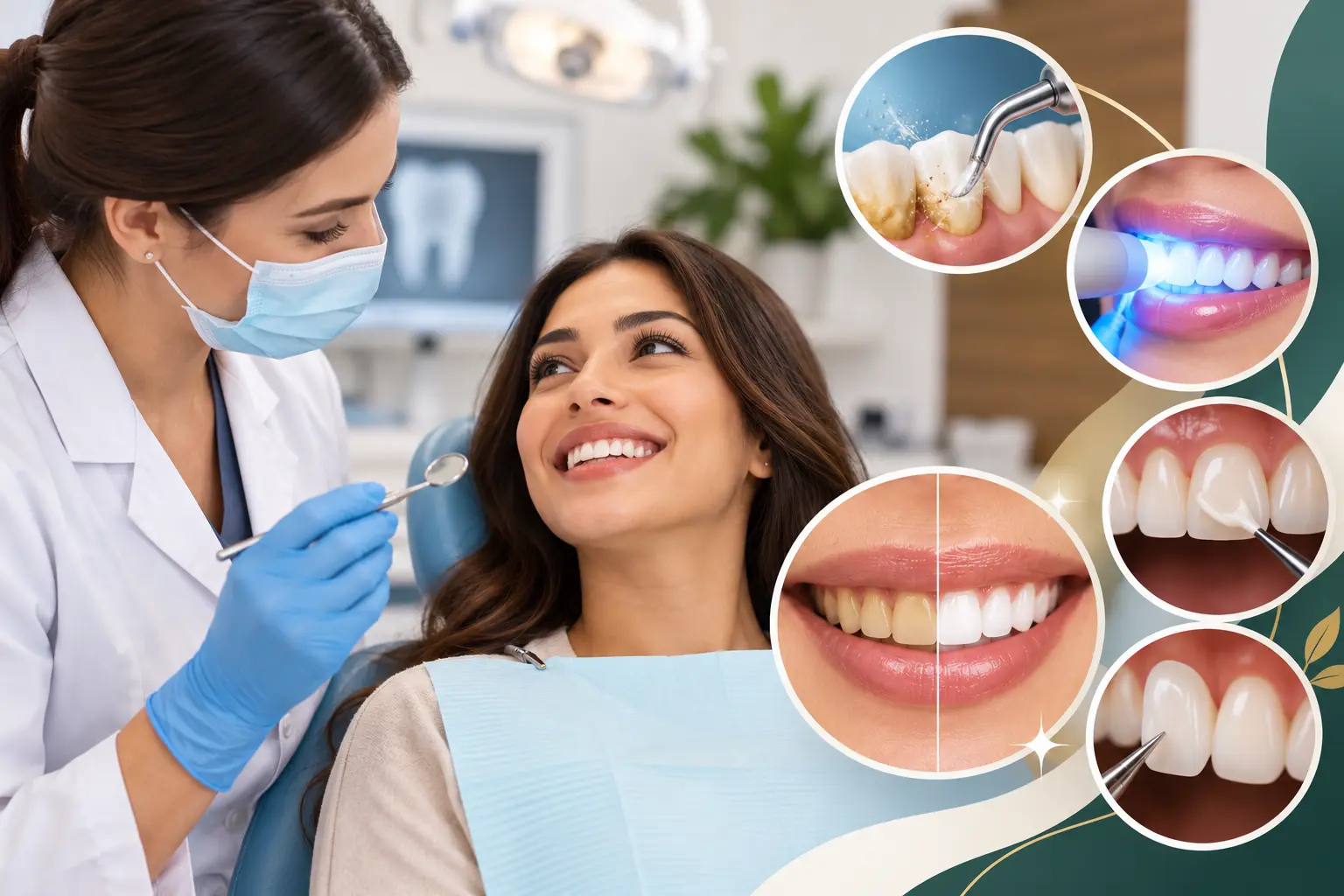
- Professional Dental Cleaning can remove plaque and tartar and may improve the appearance of surface stains.
- Professional teeth whitening can lighten certain types of natural tooth discoloration and is generally more effective for appropriate candidates than simply brushing harder or using abrasive products.
- For discoloration that does not respond adequately to whitening, a dentist may discuss cosmetic options such as dental bonding or veneers, depending on the condition of the teeth and the patient’s goals.
Note: It is important to have a dental examination before cosmetic treatment because discoloration can occasionally be associated with decay, enamel problems, trauma, or other conditions that should be addressed first.
How We Can Help You Treat Tooth Stains?
Mayfield Ranch Dental can help identify the underlying cause of your tooth stains and recommend an appropriate dental treatment. Depending on your needs, options may include:
- Professional dental cleaning
- Teeth Whitening Treatment
- Dental Bonding, or Dental Veneers.
Our personalized approach focuses on improving tooth color while maintaining your oral health and achieving a natural-looking smile. For more info and a smooth process, contact our affordable dentists in Round Rock today!
Share this :
Frequently Asked Questions
1. Can a dentist remove stubborn tooth stains?
Yes. A dentist can evaluate the type of discoloration and determine whether professional cleaning, teeth whitening, or another cosmetic treatment may help. Surface stains caused by plaque, tartar, food, and beverages may respond particularly well to professional cleaning.
2. Can professional teeth whitening remove yellow or stained teeth?
Professional teeth whitening can lighten many types of natural tooth discoloration, but results vary depending on the cause and severity of the staining. A dentist can determine whether whitening is appropriate and recommend a treatment based on your teeth and oral health.
3. How much does professional teeth whitening cost in the USA?
The cost of professional teeth whitening varies by dental office, treatment method, location, and the extent of whitening needed. Contact our dental clinic in Round Rock to learn more and exact information.
4. Can dental veneers treat stains that do not respond to whitening?
Dental Veneers may be an option for certain types of persistent discoloration that do not respond adequately to whitening. A dentist will first evaluate your enamel, bite, overall oral health, and cosmetic goals to determine whether veneers are appropriate.
5. How can I get rid of coffee and tea stains on my teeth?
Professional cleaning of the teeth may successfully remove staining substances from the teeth that are caused by coffee or tea. Moreover, the dentist may suggest teeth whitening in case of more profound discolorations. However, people should maintain proper hygiene and rinse their mouths with water after the consumption of staining beverages.