
What Are The Causes Of A Toothache?
1. Dental infection
Bacteria can enter the deeper tissues of a tooth and cause an infection or absces
2. Tooth decay
Cavities can damage the tooth and eventually affect deeper layers, causing pain and sensitivity
3. Cracked or damaged teeth
A crack can expose sensitive parts of the tooth and cause pain when chewing
4. Gum disease
Inflamed or infected gums can cause tenderness, bleeding, and discomfort around the teeth
5. Wisdom teeth
Impacted or partially erupted wisdom teeth can cause pain, swelling, and inflammation
6. Dental sensitivity
Worn enamel or exposed tooth roots can make teeth sensitive to hot and cold foods
Toothache First Aid Guide
Step 1: Identify How Severe Your Toothache Is
Firstly, pay attention to the type and severity of your tooth pain. A mild sensitivity when eating something hot, cold, sweet, or acidic may have different causes than constant or throbbing pain.
Common symptoms associated with toothache include:
- Sharp pain while biting or chewing
- Sensitivity to hot or cold foods
- Persistent or throbbing pain
- Pain that spreads toward the jaw, ear, or head
- Swelling around the tooth or gums
- Red or tender gums
- Bad taste or discharge around the affected tooth
- Difficulty opening your mouth
Note: If your pain is severe, persistent, or accompanied by swelling or fever, schedule a dental examination as soon as possible.
Step 2: Rinse Your Mouth With Warm Salt Water
- One of the simplest temporary measures is rinsing your mouth with warm salt water. Mix about half a teaspoon of salt in a glass of warm water and gently rinse for around 30 seconds before spitting it out.
- Salt-water rinsing can help clean the mouth and may temporarily soothe irritated gums. However, it does not treat the underlying cause of a toothache.
Step 3: Gently Clean Around the Affected Tooth
- Sometimes tooth pain can occur because food particles become trapped between teeth or around the gums. Carefully brush your teeth with a soft-bristled toothbrush and gently floss around the painful area.
- Avoid aggressive brushing or forcing floss into an inflamed area, as this may increase irritation.
- Maintaining good oral hygiene is particularly important when dealing with tooth pain because plaque and bacteria can contribute to gum inflammation and tooth decay.
Step 4: Avoid Foods That Trigger Pain
- While you have a toothache, try to avoid foods and drinks that make the pain worse. Very hot, cold, sweet, acidic, or hard foods may increase sensitivity.
- Choose softer foods and chew on the opposite side of your mouth when possible. Avoid biting hard foods directly with the painful tooth until you have received professional advice.
Step 5: Apply a Cold Compress for Swelling
- If you experience tooth pain along with swelling in the face, you may want to try an ice pack designed to numb the area. You can take an ice pack and wrap it in a towel or cloth, then place it on your cheek for very short periods of time.
- Do not place ice directly against your skin or directly on the tooth, as extreme cold may worsen sensitivity.
Step 6: Do Not Ignore Persistent Tooth Pain
If someone has tooth pain remaining longer than a short while, it is important to get it checked by an expert dentist. There are numerous reasons for tooth pain, including
- tooth decay
- broken tooth
- periodontal disease
- dental infection
- abscess
- damaged fillings, or
- a wisdom tooth issue.
Some common dental problems may initially cause mild pain but can worsen with time if no treatment is sought.

When To Consult An Expert Dentist?
Certain symptoms require prompt professional attention. Contact a dentist urgently if you experience:
- severe tooth pain
- significant swelling
- pus or discharge
- fever
- difficulty swallowing
How We Can Help You With Toothache?
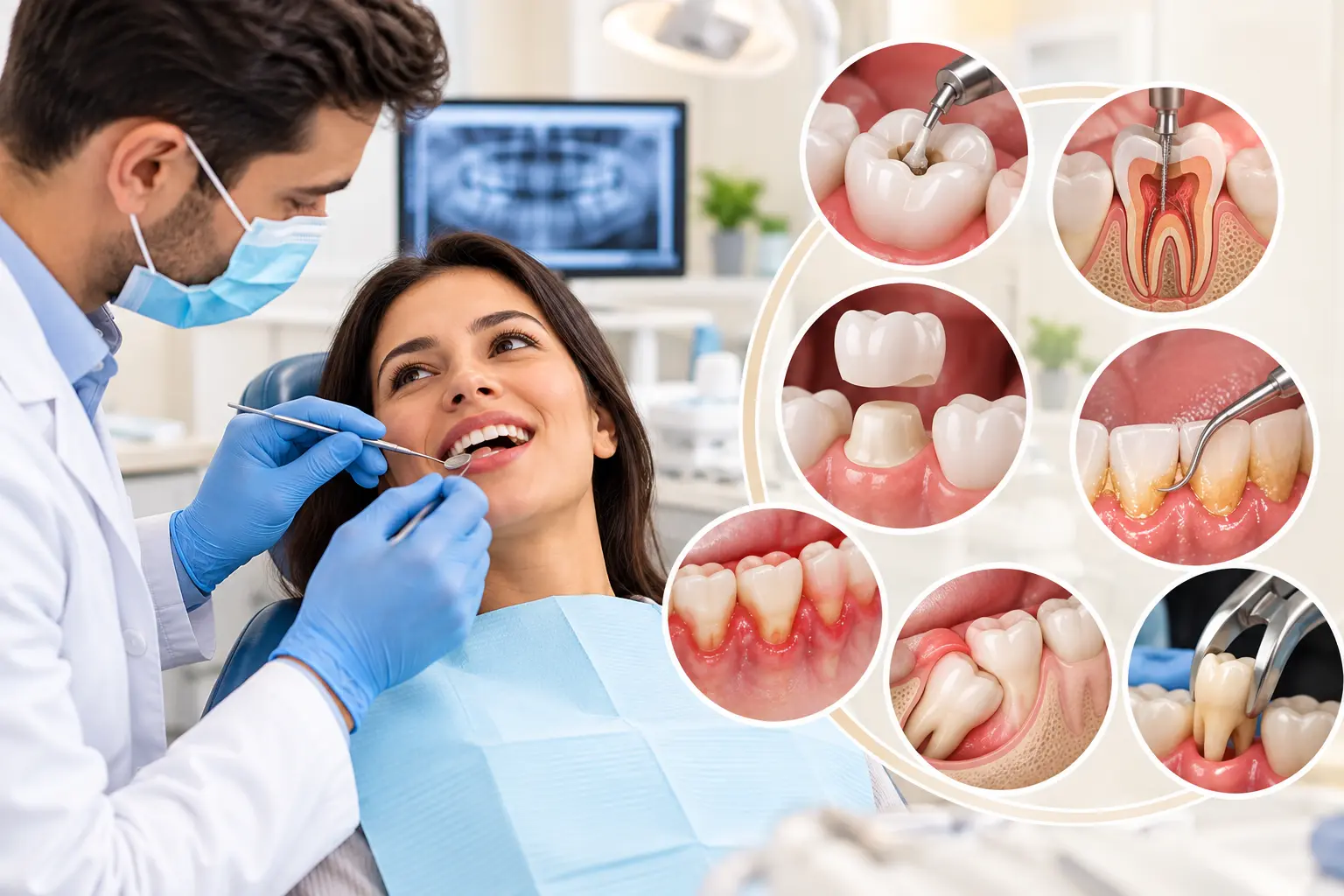
Mayfield Ranch Dental can help identify the underlying cause of your toothache and recommend an appropriate dental treatment. Depending on your needs, our treatment options may include:
- Dental Filling
- Root Canal Treatment
- Dental Crown
- Professional Teeth Cleaning
- Gum Disease Treatment
- Wisdom Tooth Treatment
- Tooth Extraction
Our personalized approach focuses on improving tooth color while maintaining your oral health and achieving a natural-looking smile. For more info and a smooth process, contact our affordable dentists in Round Rock today!
Share this :
Frequently Asked Questions
1. How long can a toothache last?
The time varies based on the cause. For instance, mild irritation will clear up quickly, but tooth decay, infection, broken tooth, or gum disease can include continuous pain which requires intervention by a dentist
2. Can a toothache go away on its own?
Some temporary sensitivity would disappear, but a toothache accompanied by swelling, high fever, sensitivity to chewing food, etc. will remain an indicator that the underlying problem needs professional treatment
3. When should I see a dentist for tooth pain?
Consult a dentist whenever you experience a toothache that is severe, recurring or uncontrolled with painkillers
4. Can a cavity cause a toothache?
Yes, tooth decay can lead to sensitivity or pain. A dentist will be able to make an x-ray to check how deep the cavity goes.
5. Can a tooth infection cause severe pain?
Yes, infection can be very painful and cause a very bad taste in your mouth. It requires urgent evaluation by a dentist.
6. What should I avoid when I have a toothache?
Avoid very hot or cold foods, excessive sweets, hard foods, and chewing directly on the painful tooth. Also avoid placing aspirin or other medication directly on the gums or tooth.