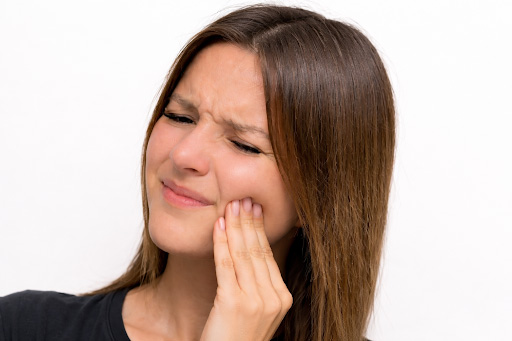

Have you ever taken a bite of your favorite ice cream only to experience a sudden sharp pain in your teeth? If so, you’re not alone. Tooth sensitivity is one of the most common dental complaints, affecting millions of people every year.
While occasional sensitivity may seem harmless, it can often be a warning sign that something isn’t quite right with your oral health. The good news is that most causes of tooth sensitivity can be treated, and there are several effective ways to reduce discomfort and protect your smile.
In this article, we’ll explain why your teeth feel sensitive when you eat ice cream, what causes tooth sensitivity, and how you can fix it.
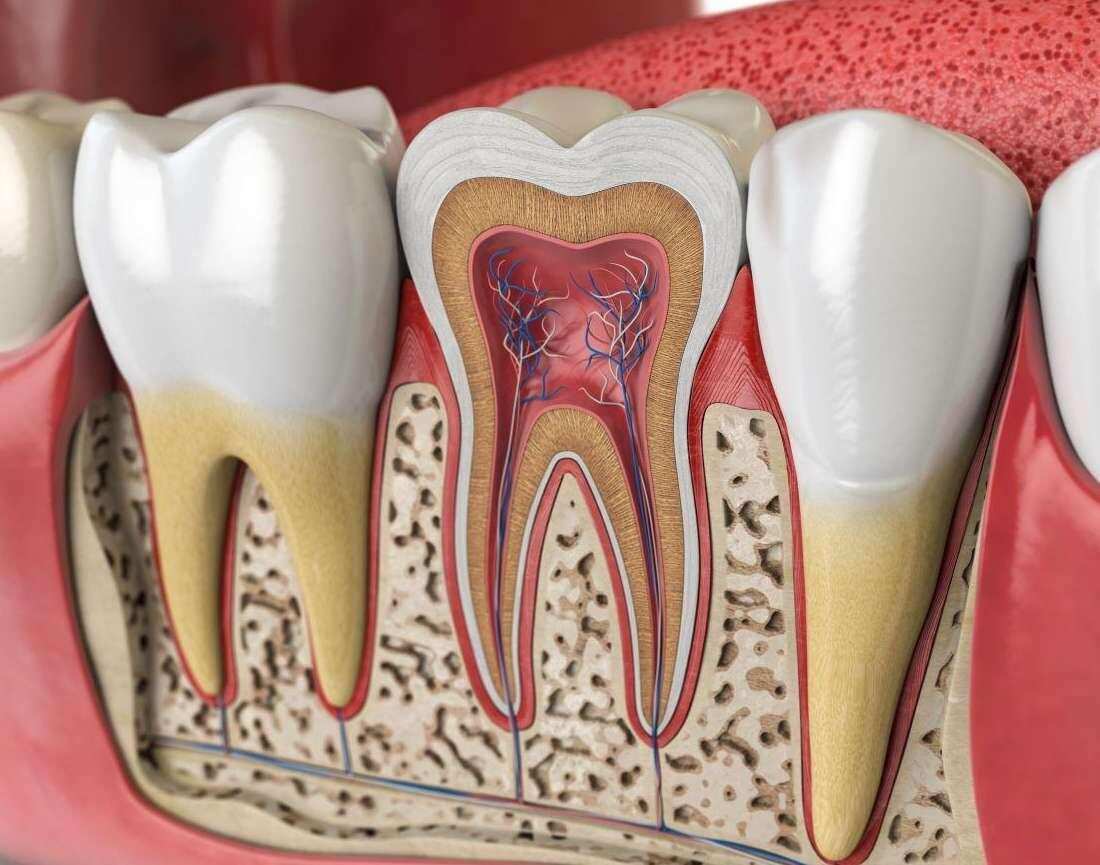
Tooth sensitivity, also known as dentin hypersensitivity, occurs when the protective outer layer of your tooth becomes damaged or worn away, exposing the softer layer underneath called dentin.
Dentin contains thousands of tiny microscopic channels that lead directly to the nerves inside your tooth. When cold, hot, sweet, or acidic foods come into contact with exposed dentin, they stimulate these nerves and trigger pain.
This is why eating ice cream, drinking cold water, or even breathing in cold air can sometimes cause sudden discomfort.
Ice cream is one of the most common triggers because of its extremely cold temperature.
When cold foods touch exposed dentin, the fluid inside the microscopic tubules rapidly changes movement. This movement stimulates the nerve endings within the tooth, causing the sharp sensation many people experience.
The colder the food or drink, the more intense the reaction may be.
If you find yourself avoiding ice cream, cold beverages, or frozen desserts because of pain, it’s important to identify the underlying cause.

Enamel is the hard outer layer that protects your teeth.
Over time, enamel can wear down due to:
Once enamel becomes thinner, dentin becomes exposed and sensitivity develops.
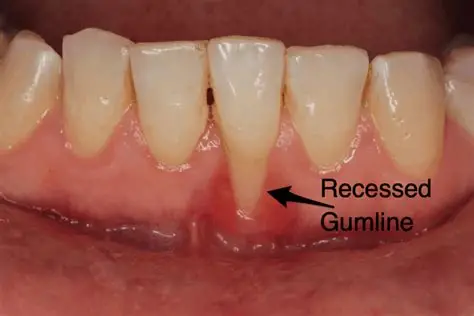
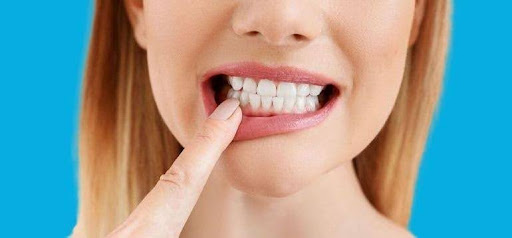
Healthy gums cover and protect the roots of your teeth.
When gums pull back, tooth roots are exposed. Unlike enamel-protected crowns, roots have no protective outer layer.
Common causes include:

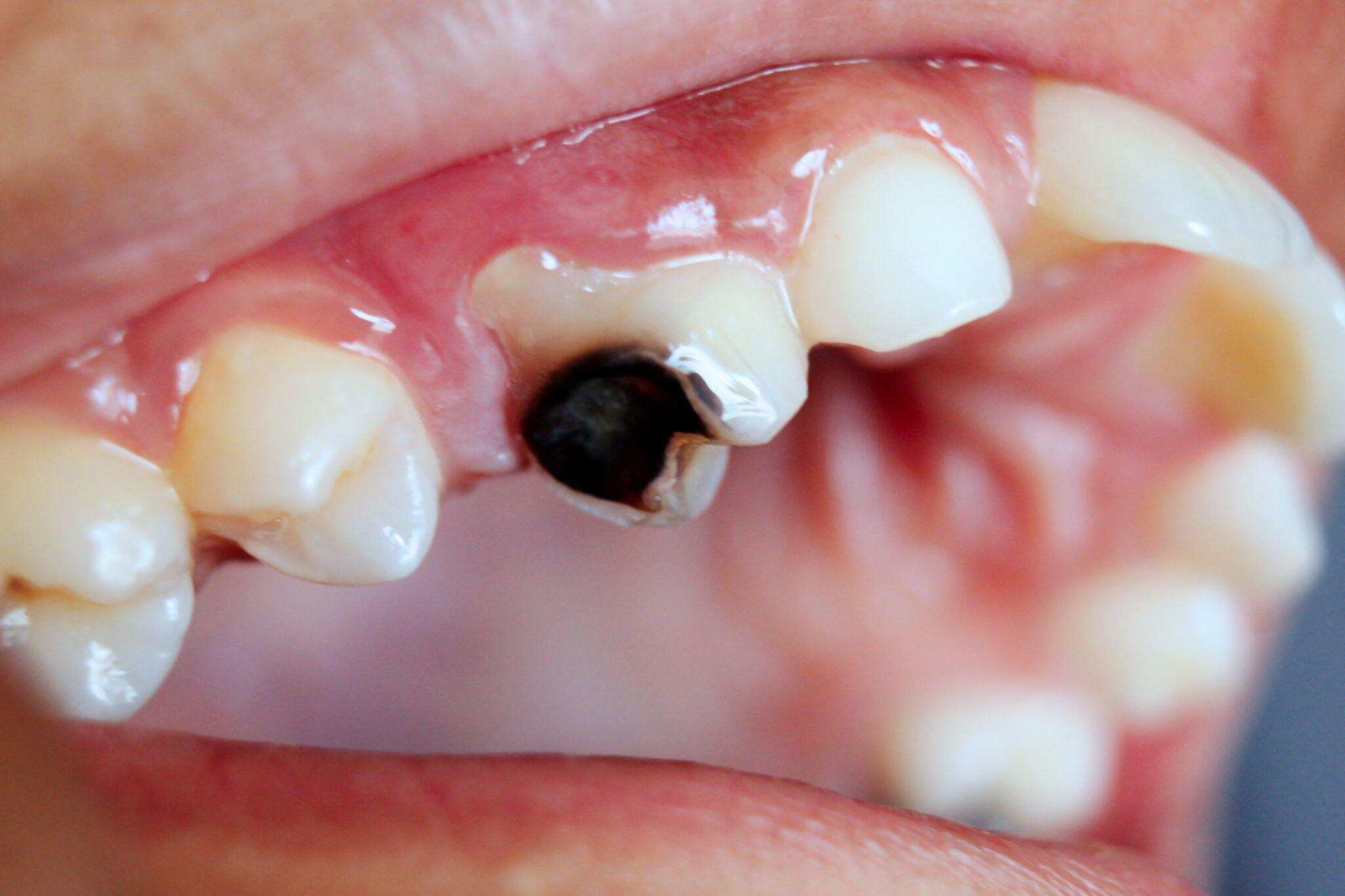
Cavities create openings in the tooth structure that allow cold foods and drinks to reach sensitive inner layers.
If your sensitivity occurs in only one tooth, tooth decay may be the culprit.
A dental examination can determine whether a cavity is causing your discomfort.
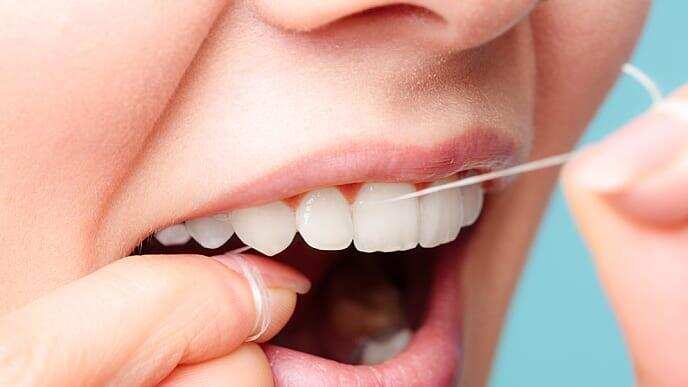
Many people grind or clench their teeth during sleep without realizing it.
Over time, grinding can:
You may also notice jaw pain, headaches, or worn teeth if grinding is contributing to the problem.
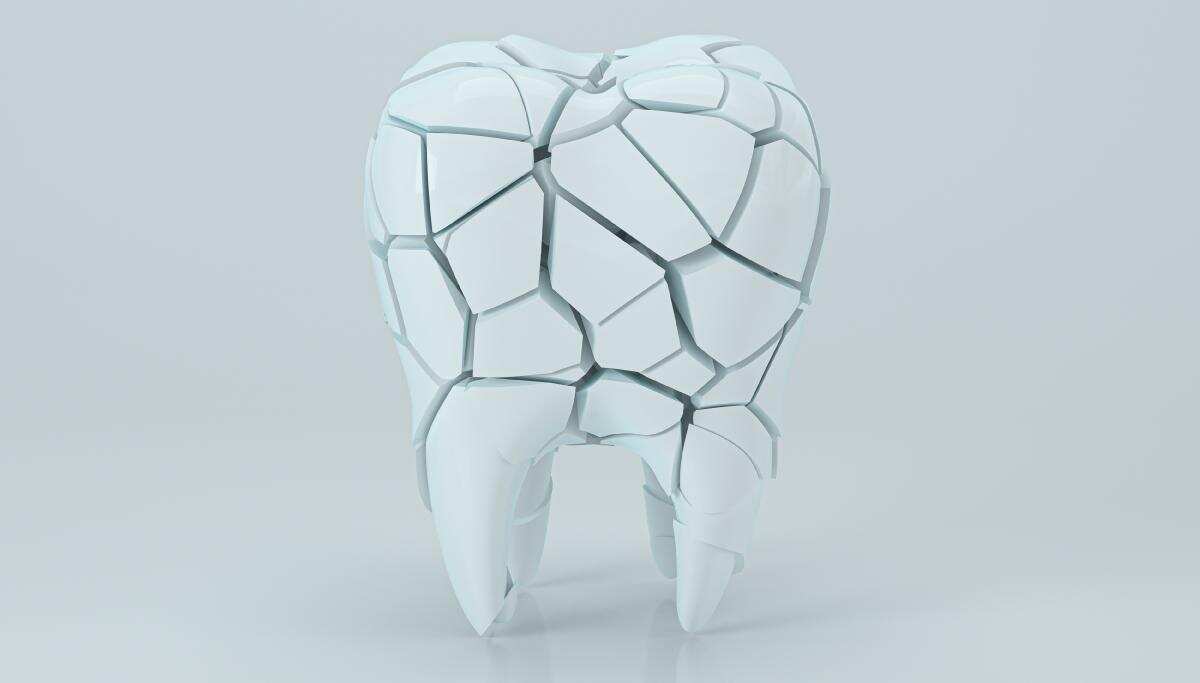
Even small cracks can expose the inner structures of your teeth.
Cold temperatures can penetrate these cracks and irritate the nerves inside the tooth, leading to sharp pain.
Cracked teeth often require professional dental treatment to prevent further damage.
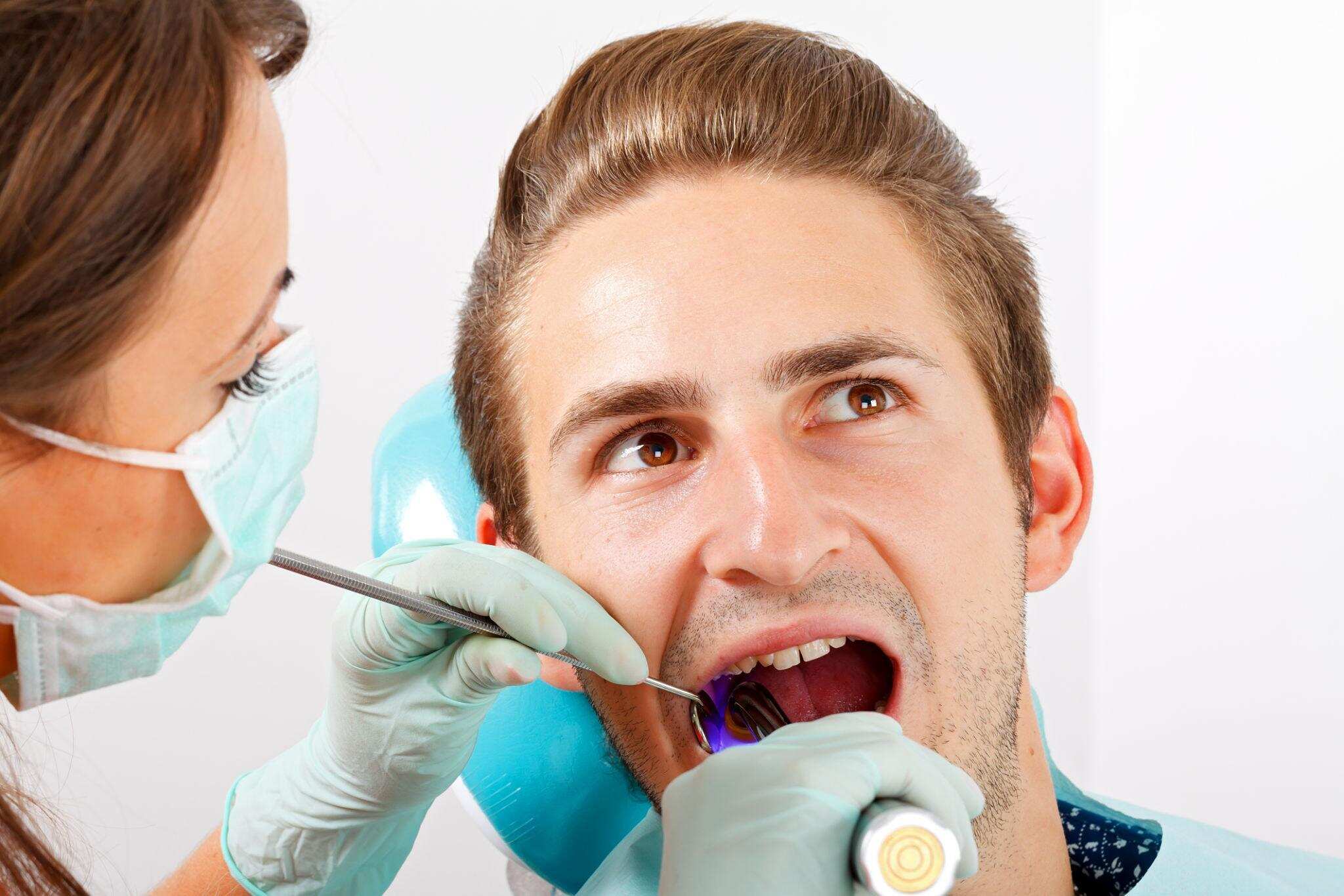
It's normal to experience temporary sensitivity after certain dental treatments such as:
This sensitivity usually improves within a few days or weeks as the tooth heals.

While occasional sensitivity may not be serious, persistent discomfort should never be ignored.
Schedule a dental appointment if you experience:
Early diagnosis can help prevent more serious dental problems in the future.
Fortunately, there are several effective ways to reduce and eliminate tooth sensitivity.
Desensitizing toothpaste contains ingredients that block pain signals traveling from the tooth surface to the nerve.
Many patients notice improvement after using these products consistently for several weeks.
For best results:
Acidic foods gradually erode enamel.
Common sources include:
Reducing acid exposure helps preserve enamel and prevent further sensitivity.
Daily brushing and flossing help prevent cavities and gum disease, two major causes of tooth sensitivity.
Maintain a routine that includes:
If teeth grinding is causing enamel wear, a custom night guard can provide protection while you sleep.
Night guards create a protective barrier between the upper and lower teeth, reducing damage from clenching and grinding.
Brushing too hard can wear away enamel and irritate your gums.
Choose a toothbrush with soft bristles and use gentle circular motions while brushing.
Your teeth should feel clean without excessive pressure.
Dentists can apply concentrated fluoride treatments that strengthen enamel and reduce sensitivity.
These treatments are quick, painless, and highly effective for many patients.
In some cases, mild sensitivity may improve when the underlying cause is addressed.
For example:
However, sensitivity caused by cavities, gum disease, cracked teeth, or severe enamel erosion typically requires professional treatment.
Ignoring ongoing sensitivity can allow the problem to worsen over time.
Prevention is always easier than treatment.
To protect your teeth:
Small daily habits can make a significant difference in maintaining a healthy, comfortable smile.
If eating ice cream causes sharp pain every time, it’s a sign that your teeth need attention.
A dentist can identify the exact cause of your sensitivity and recommend the most effective treatment.
Whether the issue is enamel erosion, gum recession, cavities, or teeth grinding, early intervention can help protect your oral health and prevent more extensive procedures later.
Tooth sensitivity is often more than just an inconvenience—it can be your body’s way of warning you about an underlying dental problem.
At Mayfield Ranch Dental, our experienced team provides comprehensive dental care to diagnose and treat tooth sensitivity at its source. From preventive care and fluoride treatments to restorative procedures and customized treatment plans, we’re committed to helping you enjoy a healthy, pain-free smile.
Don’t let tooth sensitivity keep you from enjoying your favorite foods. Schedule your appointment today and take the first step toward lasting dental comfort.