
Although dental implants provide an extremely high rate of success as a method of replacing lost teeth, they are still susceptible to the chance of failing. By understanding the possible causes of dental implant failure, patients are able to make informed decisions about their oral healthcare, as well as develop strategies for proper oral hygiene, which will benefit them when attempting to work with their dentist or dental team.
While the overall incidences of implant failure have been shown to be very low, averaging between 2% to 5% in short-term studies, and approximately 7% to 8% in long-term studies. Certain risk factors have been identified that will greatly increase implant failure rates.
Research highlights that failures are often multifactorial, involving:
- Patient health
- Surgical technique
- Implant characteristics, and
- Post-operative care
A large-scale analysis of over 158,000 implants reported an overall failure rate of about 2.21%, with early failures at 1.56%. An umbrella review of meta-analyses found strong associations with smoking and certain implant designs, emphasizing the need for personalized risk assessment.
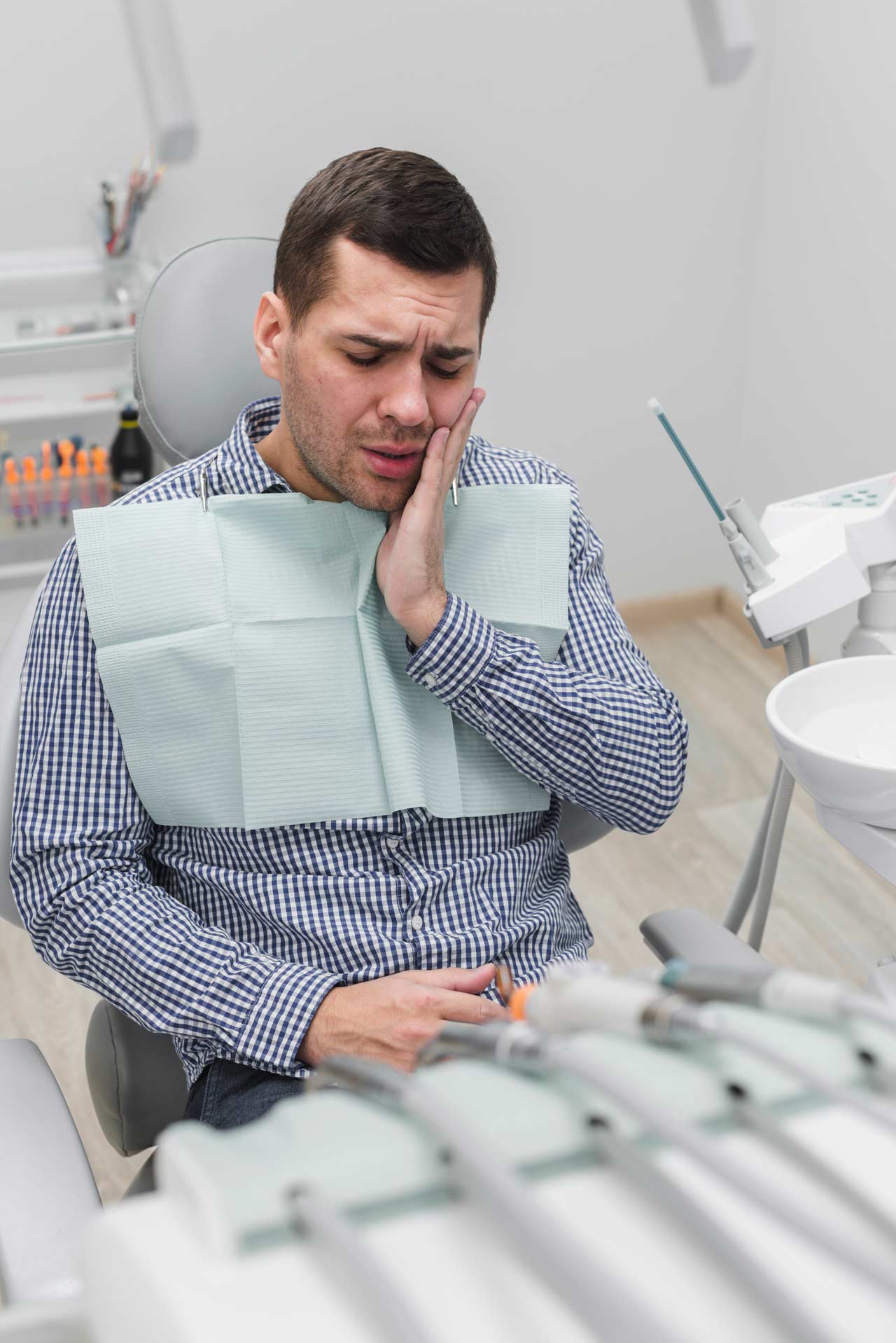
10 Key Clinical Causes Of Dental Implants Failure:
Cause #1 Peri-implantitis (Infection and Inflammation):
Among the common late failures due to a bacterial infection at the dental implant site causing bone loss; poor oral hygiene, history of periodontal disease, and plaque accumulation are the three leading contributory factors. There are approximately 150 publications that mention peri-implantitis as the leading cause of early failure.
Cause #2 Smoking and Tobacco Use:
Smoking impairs blood flow, delays healing, and increases infection risk. Heavy smokers face significantly higher failure rates. Meta-analyses establish highly suggestive evidence linking smoking to increased implant failure.
Cause #3 Uncontrolled Systemic Diseases (e.g., Diabetes):
Poorly controlled diabetes is a significant factor in preventing wound healing and proper osseointegration after the placement of dental implants; additional metabolic disorders such as osteoporosis also are significant early risk factors for failure.
Cause #4 Poor Bone Quality or Quantity:
Implants in low-density bone (types III/IV) or insufficient volume struggle with primary stability. This is common in the maxilla (upper jaw) and posterior regions, leading to higher failure rates.
Cause #5 Surgical Errors or Lack of Primary Stability:
When inexperienced surgeons generate excess heat in the bone during drilling, or place the implant incorrectly, osseointegration may not occur; low insertion torque is highly correlated to early implant failure.
Cause #6 Biomechanical Overload:
Excessive forces from bruxism (teeth grinding), ill-fitting prostheses, or parafunction can cause mechanical complications or bone loss. This is a frequent late failure mechanism.
Cause #7 Medications and Treatments:
Certain drugs like bisphosphonates, SSRIs, proton pump inhibitors, or prior radiotherapy/chemotherapy increase risks. Antidepressant use, for example, has been linked to higher failure odds.
Cause #8 Implant Design and Placement Factors:
Shorter implants (<10mm), turned (smooth) surfaces versus anodized/rough, immediate loading in suboptimal conditions, or placement in fresh extraction sockets can elevate risks. High-certainty evidence favors certain surface treatments.
Cause #9 Inadequate Oral Hygiene and Maintenance:
Failure to attend regular check-ups or maintain hygiene allows bacterial colonization, exacerbating peri-implant disease and mechanical issues.
Cause #10 Patient-Specific Factors (e.g., Age, Parafunction, History of Failure):
Older patients, those with bruxism, or a prior failed implant may have compounded risks. Maxillary molar and central incisor sites show nearly double failure rates in some registries.
How To Prevent Dental Implants Failure?
Thorough pre-treatment evaluation is critical to prevent dental implant failure, which includes: gathering medical history records, performing imaging for bone assessment, and by observing smoking cessation habits. The dentist should also provide proper, good quality, experienced implantologist selection, and emphasize that all post-operative instructions and the patient’s future maintenance of the implant will be done for life.
Due to advances in technology, the use of modern surgical methods such as guided surgery, along with better implant surfaces, have allowed for successful and predictably long-term outcomes (20-year studies show 88% to 93% survival rates). The patient should share with the doctor any possible risks and concerns

For example, early treatment can prevent pain, mobility problems, or swelling from becoming significant issues that could cause failure as a result of an implant. Furthermore, while dental implants have an average success rate greater than 90% or 95% (if placed properly), knowledge of prevention techniques can help reduce complications and improve outcomes.
Frequently Asked Questions
Affordable Dentist Round Rock, TX – Quality Care Without Compromise
Based on the current research, dental implants have between a 90% and a 95% chance of being successful in the short term and an 88% to 93% chance over 20 years, although individual patients may have different levels of success based on individual risk factors.
What can I do to prevent my dental implant from failing?
Quit smoking, manage systemic diseases, keep up with oral hygiene, and regularly visit your dentist, and be careful not to overload your dental implant with bruxism.
What are the symptoms of a dental implant that may be failing?
Symptoms indicating that your dental implant may be failing are pain, swelling, mobility, gum recession, purulent drainage, or difficulty chewing; therefore, you should schedule an expert dentist appointment to have your dental implant evaluated as soon as possible.
Is peri-implantitis common, and can it be treated?
Yes, it is one of the leading causes of late failure of dental implants, but it can be treated with professional cleaning, maintenance of good hygiene, and in some cases, surgical treatment.
If my dental implant fails, will I be able to have it replaced?
In most cases, a failed implant will be able to be replaced, as long as you have addressed any underlying problems that contributed to the failed implant (such as an infection or bone loss) and if needed, bone grafts are performed prior to the replacement.