
Choosing between clear aligners and traditional braces is an important decision when planning orthodontic treatment. Both options help straighten teeth, correct bite problems, and improve your smile appearance. Clear aligners have become an attractive alternative to traditional metal braces because they offer a more discreet way to straighten teeth. However, braces remain an effective option for treating a wide range of complex dental alignment issues.
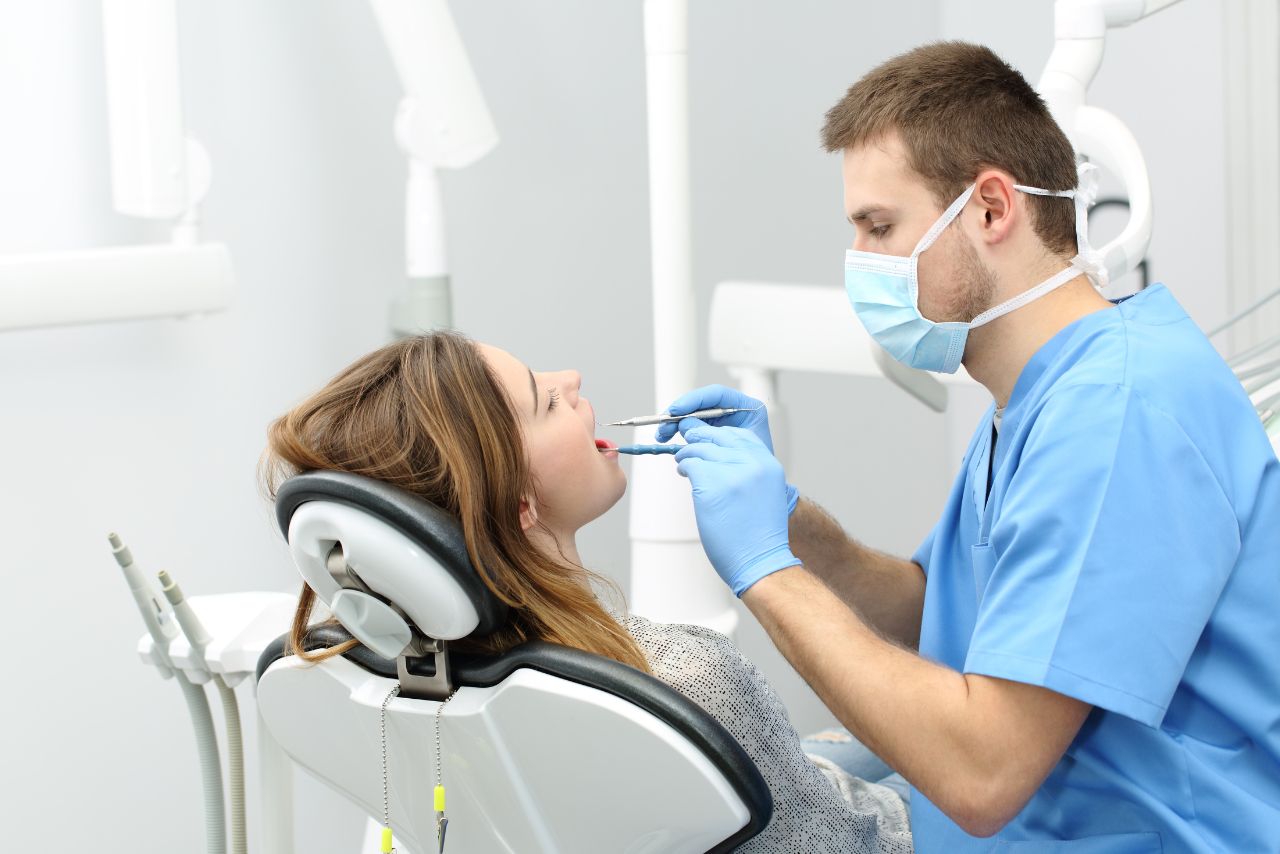
Our expert dentist in Round Rock, Dr. Jai Kolliboyana will help you understand the difference between clear aligners and traditional braces and make an informed decision.
What Are Clear Aligners?
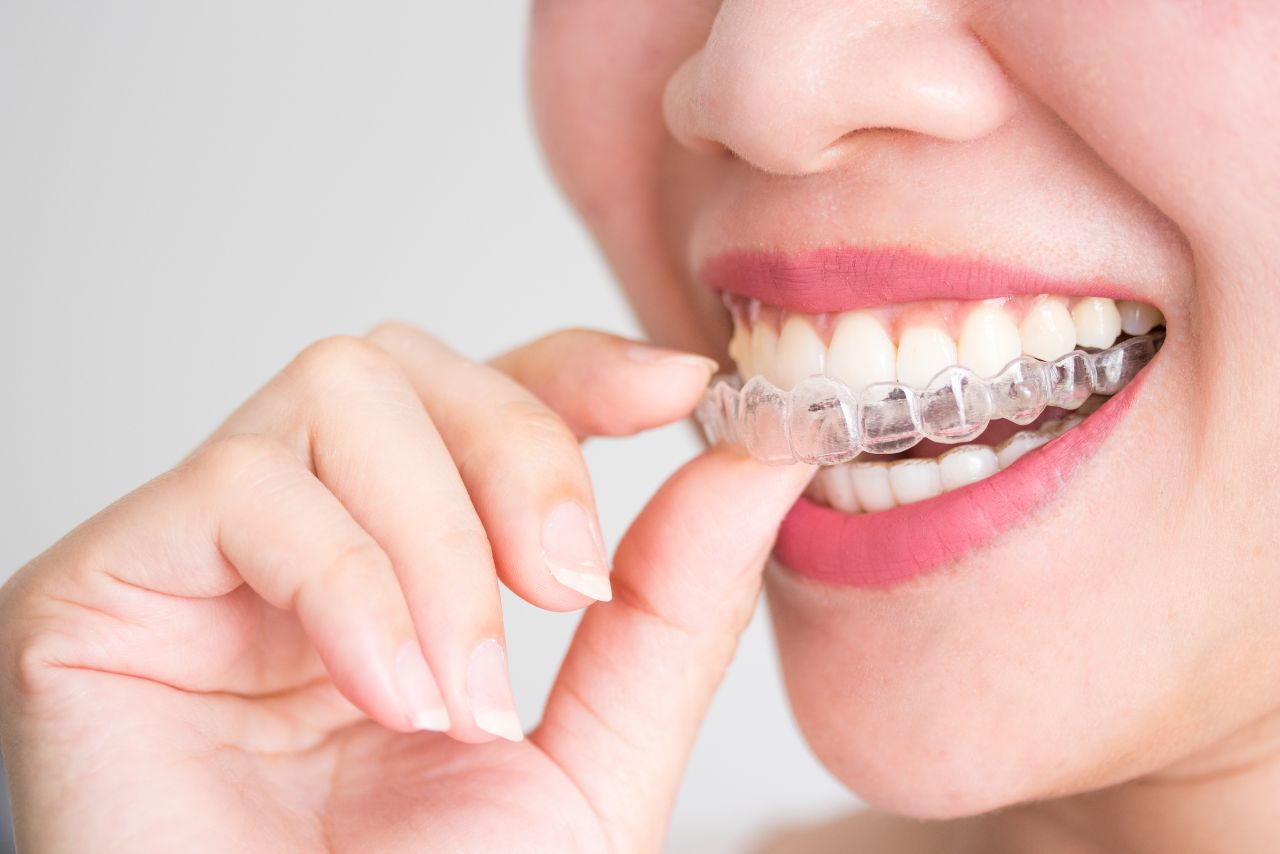
Clear aligners are removable, transparent plastic trays designed to gradually move teeth into their desired positions. They are custom-made using digital dental scans or impressions of your teeth.
Patients typically receive a series of aligner trays, with each set making small adjustments to tooth positioning. Depending on the treatment plan, patients switch to a new set every one to two weeks.
Clear aligners are commonly used to address:
- Mild to moderate teeth crowding.
- Gaps between teeth.
- Minor bite alignment problems.
- Certain overbites and underbites.
- Relapse after previous orthodontic treatment.
What Are Traditional Braces?
Traditional braces are fixed orthodontic appliances that use metal brackets attached to the teeth and connected by an archwire. The orthodontist periodically adjusts the system to apply controlled pressure and gradually move teeth into proper alignment.
Unlike clear aligners, traditional braces remain attached to your teeth throughout treatment and cannot be removed by the patient.
Modern braces are available in different options, including:
- Metal braces: Conventional stainless-steel brackets and wires.
- Ceramic braces: Tooth-colored or clear brackets that blend more naturally with your teeth.
- Self-ligating braces: Braces that use specialized clips instead of traditional elastic ties.
Clear Aligners vs. Traditional Braces: Key Differences
1. Appearance and Confidence
Appearance is one of the main reasons adults and teenagers consider clear aligners.
Since aligners are transparent, they are less noticeable during conversations, meetings, photographs, and social activities.
Traditional metal braces are more visible because of their brackets and wires. However, ceramic braces provide a less noticeable alternative for patients who prefer fixed orthodontic treatment.
2. Comfort During Treatment
Clear aligners are made from smooth plastic and are custom-designed to fit your teeth. They generally cause less irritation to the cheeks and lips than traditional braces.
Traditional braces can cause discomfort, particularly after adjustments. Metal brackets and wires may also irritate the inside of your cheeks and lips.
3. Eating and Drinking Restrictions
One major advantage of clear aligners is that you can remove them before eating. This allows you to enjoy your regular meals without worrying about damaging brackets or getting food stuck between wires.
With traditional braces, certain foods should be avoided, including:
- Hard nuts and candies.
- Popcorn.
- Sticky caramel and chewing gum.
- Hard or crunchy foods that could damage brackets.
4. Oral Hygiene and Maintenance
Clear aligners make brushing and flossing easier because you can remove the trays before cleaning your teeth. You should also clean your aligners regularly according to the expert dentist instructions.
Traditional braces require additional attention because food particles and plaque can accumulate around brackets and wires. Special orthodontic toothbrushes, floss threaders, or water flossers may help maintain good oral hygiene.
5. Treatment Time and Effectiveness
The duration of orthodontic treatment depends on the complexity of your dental condition, dental treatment goals, and how consistently you follow your orthodontist's instructions.
Some clear aligner treatments may take around 6 to 18 months, while more complicated cases can take longer.
Traditional braces commonly require approximately 18 to 24 months, although treatment can be shorter or longer depending on individual needs.
6. Cost of Clear Aligners vs. Traditional Braces
The cost of orthodontic treatment in Round Rock, Texas, depends on the complexity of your dental condition and treatment duration.
- Clear aligners (Invisalign) cost approximately 3,500 USD to 7,000 USD (approximately).
- Traditional metal braces range from 3,000 USD to 6,000 USD (approximately).
- Ceramic braces may cost between $4,000 and $8,000 (approximately).
Factors such as additional dental procedures, insurance coverage, and follow-up appointments can influence the final cost.
Many dental clinics in Round Rock, Texas offer flexible monthly payment plans and financing options for dental treatments like Mayfield Ranch Dental. Consult an expert orthodontist to understand the total cost, available insurance benefits, and the most suitable treatment for your budget.
Quick Comparison between Clear Aligners and Traditional Braces:
| Feature | Clear Aligners | Traditional Braces |
|---|---|---|
| Appearance | Nearly invisible | Visible metal brackets |
| Removability | Removable | Fixed to teeth |
| Eating | No food restrictions while removed | Certain foods must be avoided |
| Oral hygiene | Easy to brush and floss | Requires additional cleaning |
| Comfort | Generally smooth plastic | Brackets and wires may irritate cheeks |
| Compliance | Requires consistent wear | No daily removal required |
| Treatment suitability | Best for selected mild to complex cases | Suitable for a broad range of cases |
| Adjustments | New trays according to treatment plan | Periodic orthodontic adjustments |
Which Is Better: Clear Aligners or Traditional Braces?
The right choice depends on your dental condition, lifestyle, budget, and personal preferences.
Choose clear aligners if you:
- Prefer a discreet way to straighten your teeth.
- Require flexibility while eating and brushing.
- Can consistently wear aligners as prescribed.
- Have orthodontic issues suitable for aligner treatment.
Choose traditional braces if you:
- Have complex alignment or bite correction needs.
- Prefer a treatment that does not depend on daily removal.
- Want an orthodontic option suitable for a wider range of conditions.
- Are comfortable with fixed brackets and wires.
Final Words
Choosing between clear aligners and traditional braces depends on your dental condition, budget, lifestyle, and smile goals. Both treatments offer effective ways to straighten teeth and improve bite alignment.
Consulting an experienced dentist in Round Rock, TX, can help you understand your options, compare treatment costs, and choose a personalized dental treatment for a healthier, straighter, and more confident smile.

Share this :
Frequently Asked Questions
1. How long does clear aligner treatment take compared to braces?
Clear aligner treatment can take approximately 6 to 18 months in many cases, while traditional braces often take around 18 to 24 months. However, treatment duration varies depending on tooth alignment, bite problems, and patient compliance.
2. Are clear aligners better than traditional braces?
Clear aligners offer advantages in appearance, convenience, and oral hygiene. Traditional braces may be more suitable for complex orthodontic conditions. The better option depends on your dental needs and treatment goals.
3. Are clear aligners painful to wear?
Clear aligners generally cause mild pressure or temporary soreness, especially when switching to a new set. Traditional braces can also cause discomfort after adjustments. Most patients gradually adapt to either treatment.
4. Do I need to wear retainers after clear aligners or braces?
Yes. Retainers are generally recommended after both clear aligner and traditional braces treatment. They help maintain your teeth’s new positions and reduce the risk of them shifting back over time.
5. Can clear aligners fix severe crowding or bite problems?
Clear aligners can correct several types of crowding and bite problems, but they may not be suitable for every complex case. Traditional braces may provide better control for certain complicated tooth movements.