
Toothaches, broken teeth, discolored teeth, cavities and other dental issues are prevalent, yet many prefer to treat them themselves, called Do-It-Yourself (simply DIY), which refers to treatment done at home using readily available products, online solutions, and dental kits without a need for a certified dentist.
Although DIY techniques are usually cheap and easy, they can lead to undesirable consequences in oral health.
Our expert dentist in Round Rock, Dr. Jai Kolliboyana will explain the top 8 dangers of DIY dentistry, highlighting the potential risks of at-home dental treatments. Also learn why avoiding unverified dental remedies and seeking timely professional care are essential for protecting your oral health, and why choose Mayfield Ranch Dental for personalized dental services in Round Rock, Texas.
What Is DIY Dentistry?
DIY dentistry is defined as the process of trying to determine, cure, or keep away from dental problems without talking to an experienced dentist. Some examples of this process are:
- Trying to extract your own cavities with some sharp instruments.
- Reshaping teeth at home.
- Use baking soda, lemon juice, or similar things as a teeth whitening remedy.
- Buying dental filling kits for filling cavities and not visiting a dentist for help.
- Trying to clean plaque or tartar from your teeth using any dental instruments.
- Attempting to straighten the teeth with rubber bands or unconfirmed aligners.
- Using excessive whitening products and expecting them to work in no time.
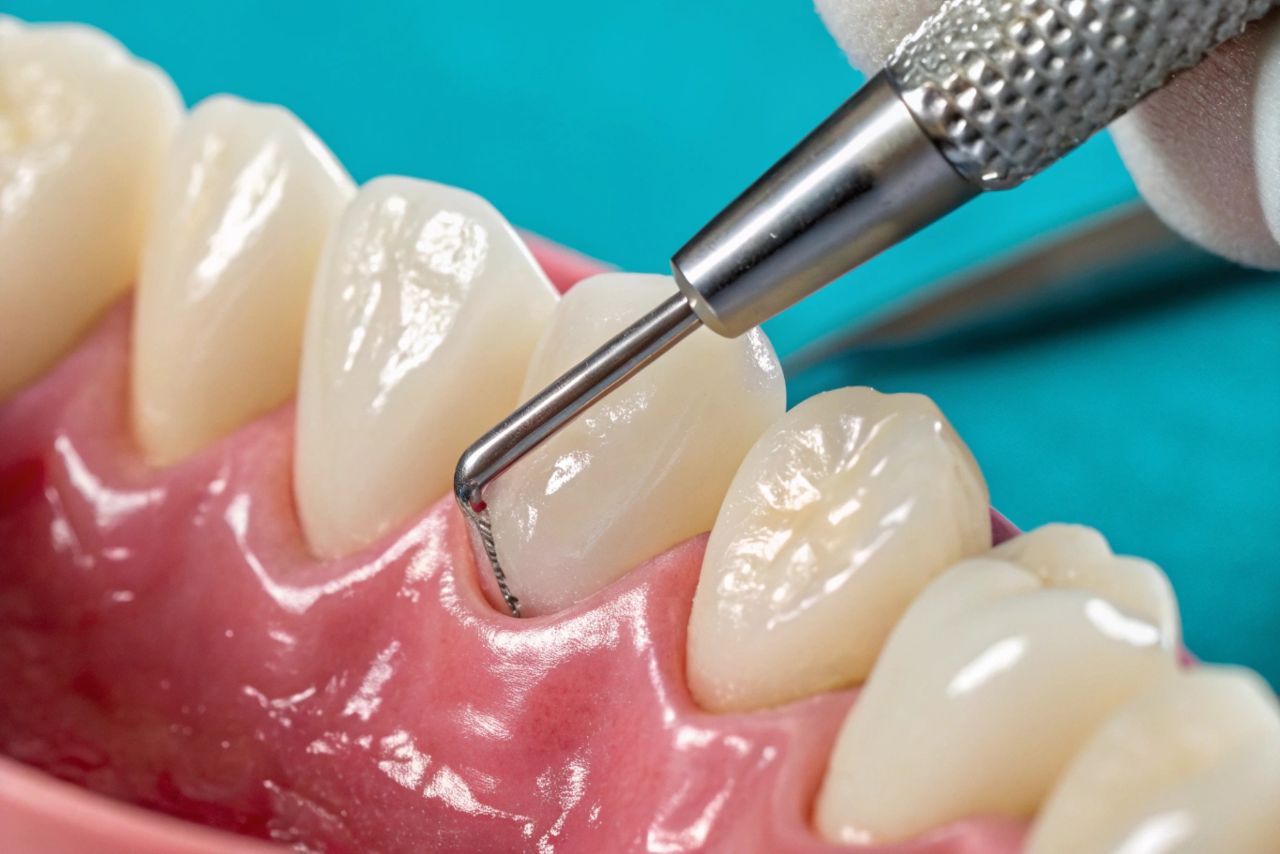
8 Dangers Of DIY Dentistry
1. Permanent Damage to Tooth Enamel
Enamel refers to the tough outermost layer of a tooth that safeguards it from dangerous bacteria, acidic substances, and damage from normal wear. The body isn’t capable of regenerating enamel.
Many home whitening techniques include some acidic product like lemon juice or vinegar or an abrasive ingredient like baking soda. Misusing these products or using them excessively can wear down enamel and reduce the protective function of the teeth. Enamel damage may result in:
- Increased tooth sensitivity.
- Greater risk of cavities.
- Yellowish appearance as underlying dentin becomes visible.
- Increased vulnerability to tooth decay.
2. Increased Risk of Dental Infections
Attempting to treat cavities, toothaches, or gum problems at home without understanding their underlying causes can increase the risk of infection.
For instance, using instruments that haven't been cleaned and taking out food from the gums can let bacteria into the tissues involved.
A dental infection is serious as it can spread to other areas of the body if not treated. Common warning signs include:
- Persistent toothache.
- Swelling around the gums or face.
- Pus around the affected tooth.
- Fever or a bad taste in the mouth.
- Pain while chewing.
3. Damage to Gums and Soft Tissues
Your gums play an important role in supporting and protecting your teeth. Using sharp objects, metal scrapers, or unsuitable dental instruments at home can accidentally injure gum tissue.
Some individuals attempt to get rid of plaque and tartar using cheap dental devices and tutorials they have found online. However, wrong practices can lead to cuts, bleeding, pain, and damage of the tissues surrounding the teeth.
4. Improper Treatment of Cavities
Dental cavities develop when bacteria produce acids that gradually damage tooth structure. Small cavities may initially cause little or no discomfort, leading some people to attempt home treatments.
DIY dental filling kits may temporarily cover a damaged area, but they cannot replace proper cavity removal, diagnosis, and restoration.
If the decay is not treated correctly, it may continue spreading deeper into the tooth and eventually affect the dental pulp, which contains nerves and blood vessels.
Depending on the severity, treatment may require a dental filling, root canal treatment, or tooth extraction.
Visiting an experienced dentist early can help identify cavities before they become more complicated and expensive to treat.
5. Incorrect Teeth Straightening Methods
Social media platforms and online videos sometimes promote DIY teeth-straightening methods using rubber bands, homemade aligners, or other inexpensive alternatives.
These methods can be particularly dangerous because moving teeth requires controlled forces and continuous monitoring.
Applying pressure without professional supervision may lead to:
- Gum recession.
- Damage to tooth roots.
- Changes in the bite.
- Tooth mobility.
- Unwanted tooth movement.
- In some cases, permanent tooth loss.
Orthodontic treatment should always be planned and monitored by a qualified dental professional. Clear aligners and braces require an individualised treatment plan based on the patient's dental condition.
6. Worsening of Existing Dental Problems
One of the biggest dangers of DIY dentistry is that it may hide symptoms without addressing the actual problem.
For instance, applying temporary pain-relief products to a toothache may reduce discomfort for a short period, but it does not eliminate the underlying cause.
Pain in the mouth may suggest cavity, broken tooth, gum disease, or infection. When delayed normally from seeing a dentist, the results of dental problems can worsen. Early diagnosis leads to identification of the problem and ways to handle it before causing more damage.
7. Allergic Reactions and Chemical Burns
Not all online marketed products related to dental care are appropriate for use in the mouth. They might include some homemade formulas, adhesives and chemical substances that contain irritating components.
Incorrect use or prolonged exposure might cause chemical burns, irritation and allergic reactions.
For instance, applying high concentrated whitening agents or domestic products directly to the teeth or gums might harm soft tissue inside the mouth.
Every time before using an oral care product, check its intended use. It is better to consult a dentist before using unfamiliar treatments, as well as having sensitive teeth and previously existing oral health problems.
8. Higher Dental Treatment Costs in the Future
Many people resort to DIY dentistry solutions to help them save money or be able to avoid visiting the dentist. However, failures of DIY approaches lead to further complications that require more serious professional intervention.
A small cavity that could have been filled may turn into a much more advanced condition that requires taking root canal treatment and putting on a crown.
Similarly, consequences of improper teeth straightening or teeth whitening techniques may require some corrective procedures.
Although visiting a dentist initially implies to be costly, seeking treatment at an early stage of the disease helps to avoid much more expensive treatments later.
Safe Alternatives To DIY Dentistry
You can maintain good oral health at home without attempting professional dental procedures. The key is to follow preventive oral hygiene practices and seek professional help when necessary.
Consider These Simple Habits:
Use a soft-bristled toothbrush and fluoride toothpaste to remove plaque and protect your teeth against cavities.
Clean between your teeth daily to remove food particles and plaque that toothbrushes may miss.
Choose oral care products designed specifically for dental use rather than experimenting with household ingredients.
Do not follow social media tutorials that recommend filing teeth, removing tartar, or performing dental procedures at home.
Visit your dentist regularly to identify cavities, gum problems, and other dental conditions before they become serious.
Why Choose Mayfield Ranch Dental in Round Rock, TX?
Your oral health deserves professional attention and appropriate dental care. At Mayfield Ranch Dental, patients can receive personalized dental care based on their oral health needs. Whether you are experiencing tooth pain, cavities, damaged teeth, or concerns about your smile, a professional dental evaluation can help identify the underlying issue and recommend suitable treatment options.
For affordable and emergency dental care in Round Rock, TX, contact Mayfield Ranch Dental today!
Share this :
Frequently Asked Questions
1. Can I Fix a Cavity at Home Without Visiting a Dentist?
No. The cavity which has formed cannot be treated at home or by using DIY dental filling kits. If there are early signs of enamel decay, they can be addressed by a professional dentist. A dentist can decide what treatment is needed depending on the extent of decay.
2. Can DIY Teeth Whitening Damage My Enamel?
Of course. Some do-it-yourself teeth whitening methods that include the use of acid-based substances or abrasive agents as well as excessive use of whitening agents, can cause harm to the enamel of teeth and irritate the gums.
3. What Should I Do If I Accidentally Damage My Tooth While Trying DIY Dentistry?
Cease all DIY treatments right away and book an appointment with your dentist. You should also refrain from chewing with the tooth that’s been affected, as well as keep the affected spot clean. If your tooth breaks apart, try your best to save its portions and take them with you to your appointment.
4. How Can I Maintain Healthy Teeth Without DIY Dental Treatments?
You can maintain healthy teeth through regular brushing with fluoride toothpaste, daily flossing, a balanced diet, limiting sugary foods and drinks, and scheduling routine dental checkups. If you notice tooth pain, sensitivity, bleeding gums, or other dental concerns, consult your dentist instead of experimenting with home treatments.