
In the world of oral hygiene, one debate stands out: are electric toothbrushes better than manual ones? With advancements in dental technology, many people across the United States are switching to electric toothbrushes in search of a more effective clean. But is the hype justified? This article takes a closer look at the electric vs. manual toothbrush comparison, exploring the benefits, drawbacks, and scientific evidence to help you decide which option is right for you. Whether you’re concerned about plaque buildup, gum health, or simply looking for the best toothbrush for everyday use, understanding the differences can help you maintain healthier teeth and gums.
Electric toothbrushes, powered by replaceable batteries or rechargeable units, use oscillating, rotating, or sonic movements to clean the teeth. Manual toothbrushes, on the other hand, rely entirely on your brushing technique and hand movements. According to dental professionals, proper technique and consistency are among the most important factors in maintaining good oral health. The American Dental Association recommends brushing your teeth twice a day for two minutes with fluoride toothpaste. While both electric and manual toothbrushes can be effective when used correctly, research suggests that electric toothbrushes may provide additional benefits for certain users, particularly when it comes to plaque removal and maintaining healthy gums.
How Electric and Manual Toothbrushes Work
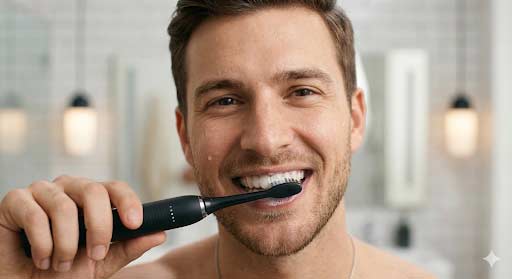
To answer if electric toothbrushes are better than manual, let’s start with the basics. Manual toothbrushes are simple tools with bristles on a handle, requiring circular motions, back-and-forth strokes, and gentle pressure to remove plaque. They’re affordable, portable, and don’t need charging—perfect for travel or quick brushes.
Electric toothbrushes, on the other hand, automate the process. Oscillating-rotating models like those from Oral-B spin the head thousands of times per minute, while sonic versions from Philips Sonicare vibrate at high frequencies to dislodge debris. Many come with timers, pressure sensors, and multiple modes for sensitive teeth, whitening, or gum care. This technology mimics professional cleaning, potentially reaching areas manual brushes miss.
The mechanics highlight a core difference: manual brushes depend on user skill, which varies. Poor technique can lead to incomplete cleaning or gum damage. Electric brushes standardize the process, making them ideal for beginners or those with dexterity issues.
Benefits of Electric Toothbrushes
The benefits of electric toothbrushes are numerous, making them a popular choice for improved oral health. First, superior plaque removal: a Cochrane review found electric brushes reduce plaque by 21% and gingivitis by 11% more than manuals over three months. This is due to rapid bristle movements that break down biofilm effectively.
Second, built-in features enhance user experience. Timers ensure you brush for the full two minutes, while pressure sensors prevent over-brushing, reducing enamel wear and gum recession—common issues in aggressive manual brushing. For people with braces, arthritis, or limited mobility, electric models simplify the routine, promoting consistency.
Electric toothbrushes also appeal to tech-savvy users with app connectivity for tracking habits. Overall, if you’re asking “are electric toothbrushes better than manual,” the answer leans yes for efficiency and ease.
Advantages of Manual Toothbrushes
Despite the buzz around electric options, manual toothbrushes have their strengths. Affordability is key—they cost as little as ₹20, making them accessible for everyone, especially in budget-conscious households.
Portability shines here; no need for chargers or batteries, ideal for camping or areas with unreliable electricity. You have full control over pressure and angle, allowing personalized brushing for sensitive areas. For children learning oral hygiene, manuals teach proper technique without relying on gadgets.
Environmentally, manuals produce less waste—no batteries or electronic parts to dispose of. They're also silent and don't vibrate, which some find uncomfortable in electrics. If used correctly—with soft bristles and fluoride toothpaste—manuals can be just as effective, as per American Dental Association guidelines.
In short, manuals suit those who master the technique and prefer simplicity over features.
Scientific Evidence and Studies
- Science backs the electric vs manual debate. A 2014 Cochrane systematic review of 56 trials involving over 5,000 participants concluded electric toothbrushes are superior for plaque and gingivitis reduction. Sonic models showed even better results in some studies.
- However, a 2020 study in the Journal of Clinical Periodontology noted that with proper instruction, manual brushes can match electrics. The difference narrows when users are trained. For specific groups, like orthodontic patients, electrics clean around brackets more effectively, reducing white spots.
Who Should Use Electric vs Manual ?
Choosing between electric and manual depends on your needs. Opt for electric if you have mobility issues, braces, or inconsistent brushing habits—the features guide you. Families with kids might benefit from fun, timed models to encourage routines.
Stick with manual if budget is tight, you travel often, or prefer control. Eco-conscious users may lean manual to minimize e-waste.
Consult your dentist for personalized advice, especially if you have conditions like receding gums.
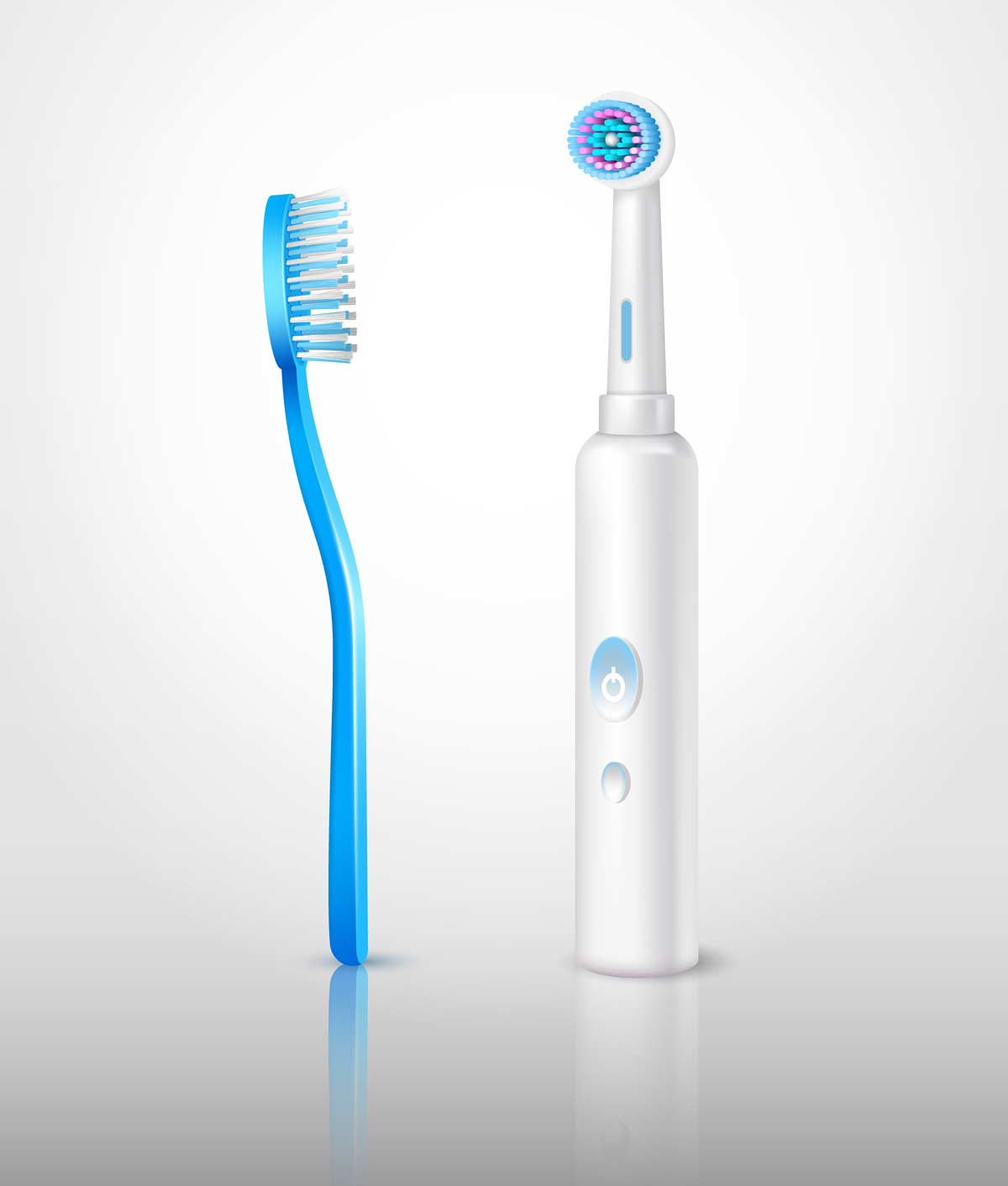
Are electric toothbrushes better than manual? For many, yes—they offer superior cleaning, convenience, and health benefits. However, manuals remain effective with good technique. Prioritize consistency, and your smile will thank you.