
Waking up to a swollen face from a tooth infection is alarming — one side of your cheek or jaw suddenly puffs up, accompanied by throbbing pain that makes eating, talking, or even smiling difficult. This isn’t just an annoying inconvenience; it’s often a sign of a dental abscess, a pocket of pus caused by bacterial infection that can spread if left untreated.
A swollen face signals that the infection has moved beyond the tooth into surrounding tissues, triggering your body’s inflammatory response. While it can look dramatic, the good news is that prompt action can bring fast relief and prevent serious complications. In this guide, we’ll cover the causes, symptoms, safe home remedies for temporary relief, and when to seek emergency dental care.
Why Does a Tooth Infection Cause Facial Swelling?
Tooth infections usually start from untreated decay, a cracked tooth, or advanced gum disease. Bacteria reach the pulp (the inner nerve and blood vessels) or the root tip, forming an abscess. As pus builds up, pressure increases, and the infection spreads to nearby bone and soft tissues, causing visible facial swelling, often in the cheek, jaw, or under the eye.
Common triggers include:
- Deep cavities that reach the nerve
- Trauma or cracked teeth allowing bacteria entry
- Failed previous dental work
- Impacted wisdom teeth
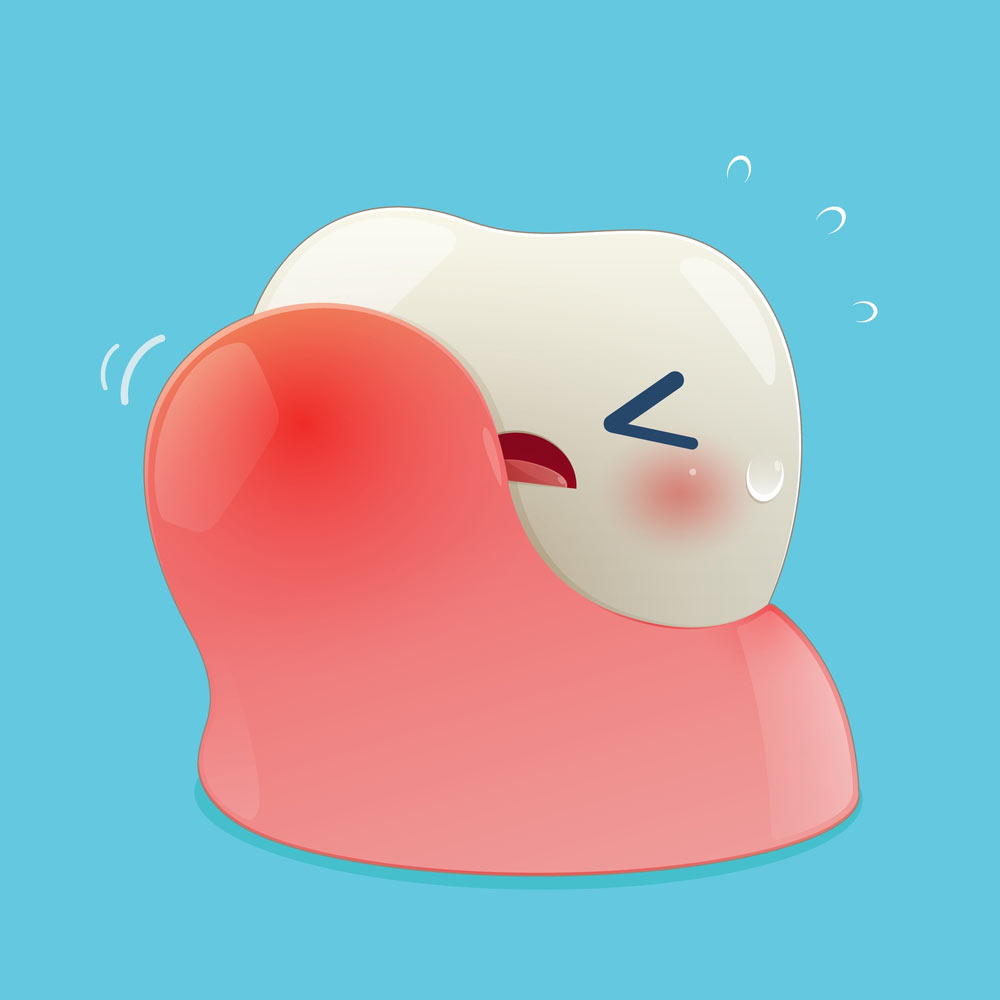
- Poor oral hygiene leading to gum infections
If the swelling affects your eye, neck, or makes swallowing/breathing difficult, it becomes a medical emergency — the infection could spread to deeper spaces in the head and neck.

Recognizing the Symptoms
A swollen face rarely appears alone. Watch for these accompanying signs of a tooth abscess:
- Severe, throbbing toothache that may radiate to the ear, jaw, or neck
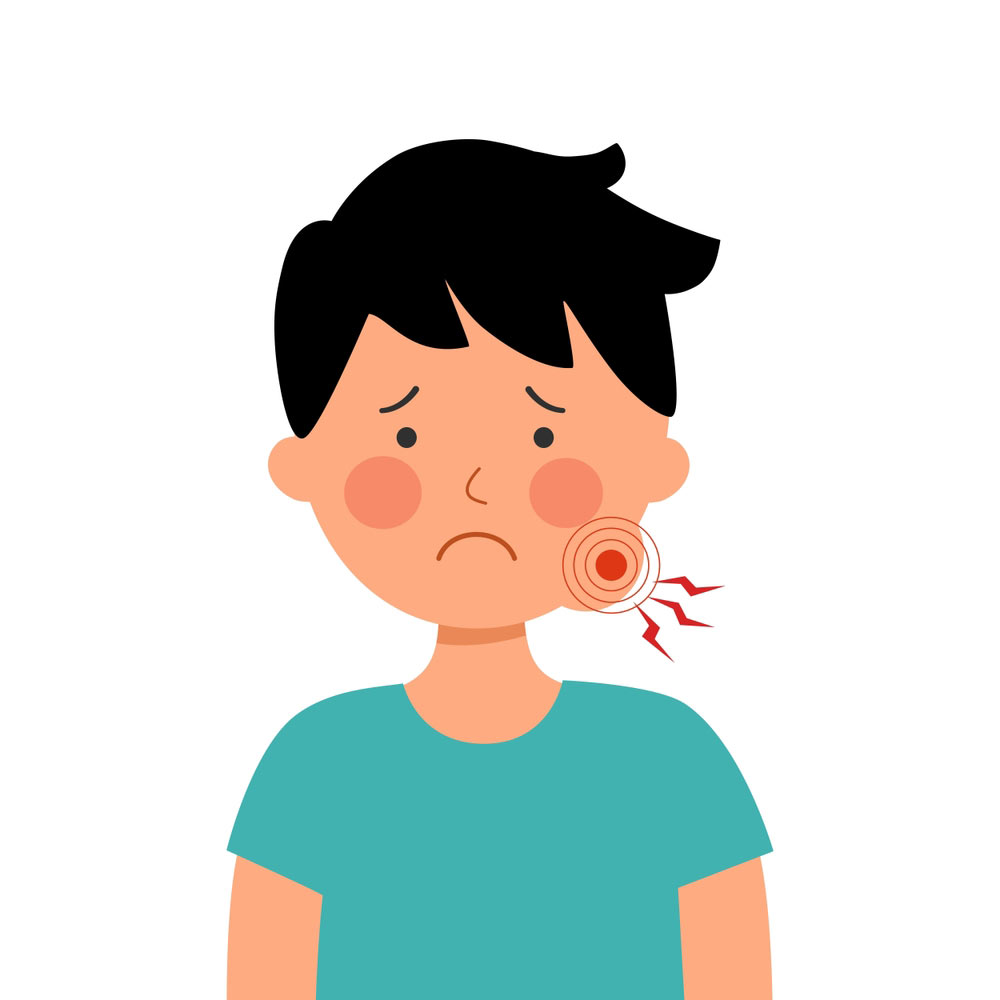
- Red, tender, or warm swelling on one side of the face
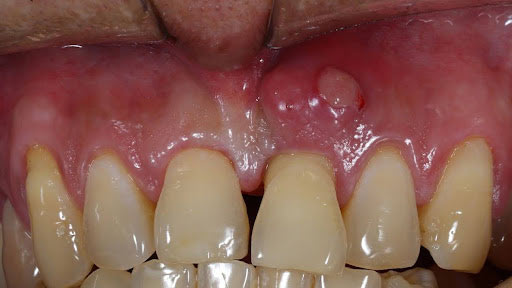
- Pus or a pimple-like bump on the gums (that may drain foul-tasting fluid)
- Fever, chills, or feeling generally unwell
- Swollen lymph nodes under the jaw or in the neck
- Difficulty opening your mouth or chewing
- Bad breath or bitter taste in the mouth
Swelling that worsens rapidly or comes with high fever requires immediate attention.
Immediate Home Remedies for Relief (While Heading to the Dentist)
These steps can ease discomfort and reduce swelling temporarily — they do not cure the infection.
1. Cold Compress
Apply an ice pack wrapped in a thin cloth to the swollen cheek for 10–15 minutes at a time. The cold constricts blood vessels, reduces inflammation, and numbs pain. Avoid direct ice contact to prevent skin damage. Do not use heat, as it can increase blood flow and spread the infection faster.
Warm Salt Water Rinses
Mix ½ teaspoon of salt in a cup of warm (not hot) water. Gently swish for 30 seconds, then spit. Repeat several times a day. This natural antiseptic helps clean the area, reduce bacteria, and soothe irritated tissues.
Over-the-Counter Pain Relief
Ibuprofen (Advil) or acetaminophen (Tylenol) can reduce pain and inflammation. Follow package directions carefully. If you have medical conditions, check with a pharmacist first.
Elevate Your Head
Sleep with your head propped up on extra pillows. This helps prevent fluid buildup and eases pressure on the swollen area.
Soft Diet and Rest
Stick to cool, soft foods (yogurt, smoothies, mashed potatoes) and avoid chewing on the affected side. Stay hydrated but skip very hot or sugary drinks.
Important: These are short-term measures only. Antibiotics alone won’t fix the source — the infected tooth or abscess needs professional treatment.
When Is It a Dental Emergency?
Seek care immediately if you have:
- Rapidly increasing swelling
- Difficulty breathing or swallowing
- High fever or chills
- Swelling spreading toward the eye or neck
- Severe pain that over-the-counter medication doesn’t control
In such cases, go to an emergency dentist or ER if your dentist isn’t available right away. Untreated dental infections can rarely lead to serious systemic issues.

Professional Treatment Options
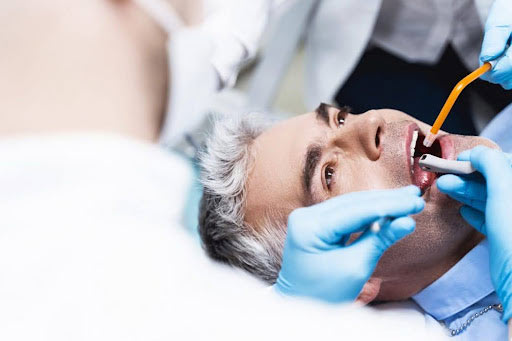
A dentist will diagnose the source (often with X-rays) and provide targeted care:
- Drainage of the abscess to release pus and reduce pressure
- Root Canal Therapy — Removes the infected pulp, cleans the canals, and seals the tooth, often followed by a crown. This saves the natural tooth in many cases.
- Antibiotics — Prescribed to control the spread of infection (but not a standalone cure)
- Extraction — If the tooth is too damaged to save
- Incision and drainage for gum abscesses
Modern techniques make these procedures comfortable, especially with sedation options.
Get Expert Emergency Care at Mayfield Ranch Dental
If you’re in Round Rock, Texas, Mayfield Ranch Dental is your trusted partner for dental emergencies, including swollen face from tooth infections. Led by Dr. Jai Kolliboyana, a root canal specialist, the practice offers same-day appointments for urgent cases like abscesses, severe toothaches, and infections.
They provide gentle root canal therapy using advanced technology to save infected teeth and eliminate pain at its source. The compassionate, family-oriented team also offers sedation dentistry for anxious patients, extractions when needed, and flexible payment plans — even without insurance.
Don’t wait for the swelling to worsen. Call (512) 956-5656 today or request an appointment online for prompt, expert relief. Their goal is to restore your comfort and protect your long-term oral health with personalized care.
Prevention Tips to Avoid Future Infections
- Brush twice daily and floss once with fluoride toothpaste
- Visit your dentist regularly for checkups and cleanings
- Address cavities or cracks early
- Wear a nightguard if you grind your teeth
- Limit sugary and acidic foods
A swollen face is your body’s loud warning that something serious is happening inside. Quick home care can buy you time, but professional treatment is essential to resolve the infection and save your tooth.
If you’re experiencing these symptoms, contact Mayfield Ranch Dental in Round Rock, TX, right away at (512) 956-5656. Their experienced team is ready to provide fast, gentle care so you can get back to smiling confidently — without the swelling or worry.